
Editor note: This July 2026 guide compares smart thermostat UK Octopus Energy setups by tariff fit, heat pump friendliness, design, app controls, and total kit price. Prices were checked against Tado, Hive, Google Store, Drayton, Amazon UK, Screwfix, and Currys listings. Tariff rules and device integrations can change, so verify current Octopus Energy terms before buying hardware.
What Does Smart Thermostat UK Octopus Energy Mean?
A smart thermostat UK Octopus Energy setup is a connected heating control used by a UK household on an Octopus tariff, usually to schedule heat around cheaper periods, reduce gas or electricity waste, and improve comfort. The right choice depends on boiler type, heat pump controls, radiator zoning, and whether the thermostat can work with the user’s preferred smart-home platform.
The phrase can mean two different things. For a gas boiler home, it usually means a smart programmer that trims heating when the house is empty and makes schedules easier to edit. For an electrified home, especially one with a heat pump or time-of-use tariff, it can also mean shifting more heating into cheaper periods without making the living room uncomfortable at 7 p.m.
Octopus Energy is known in the UK for tariffs such as Agile Octopus, Intelligent Octopus Go, and Cosy Octopus, plus public interest in smart meters, heat pumps, and home energy data. A thermostat is not a tariff by itself. It is the room-level control layer that can make those tariffs easier to live with.
Quick Verdict for UK Homes
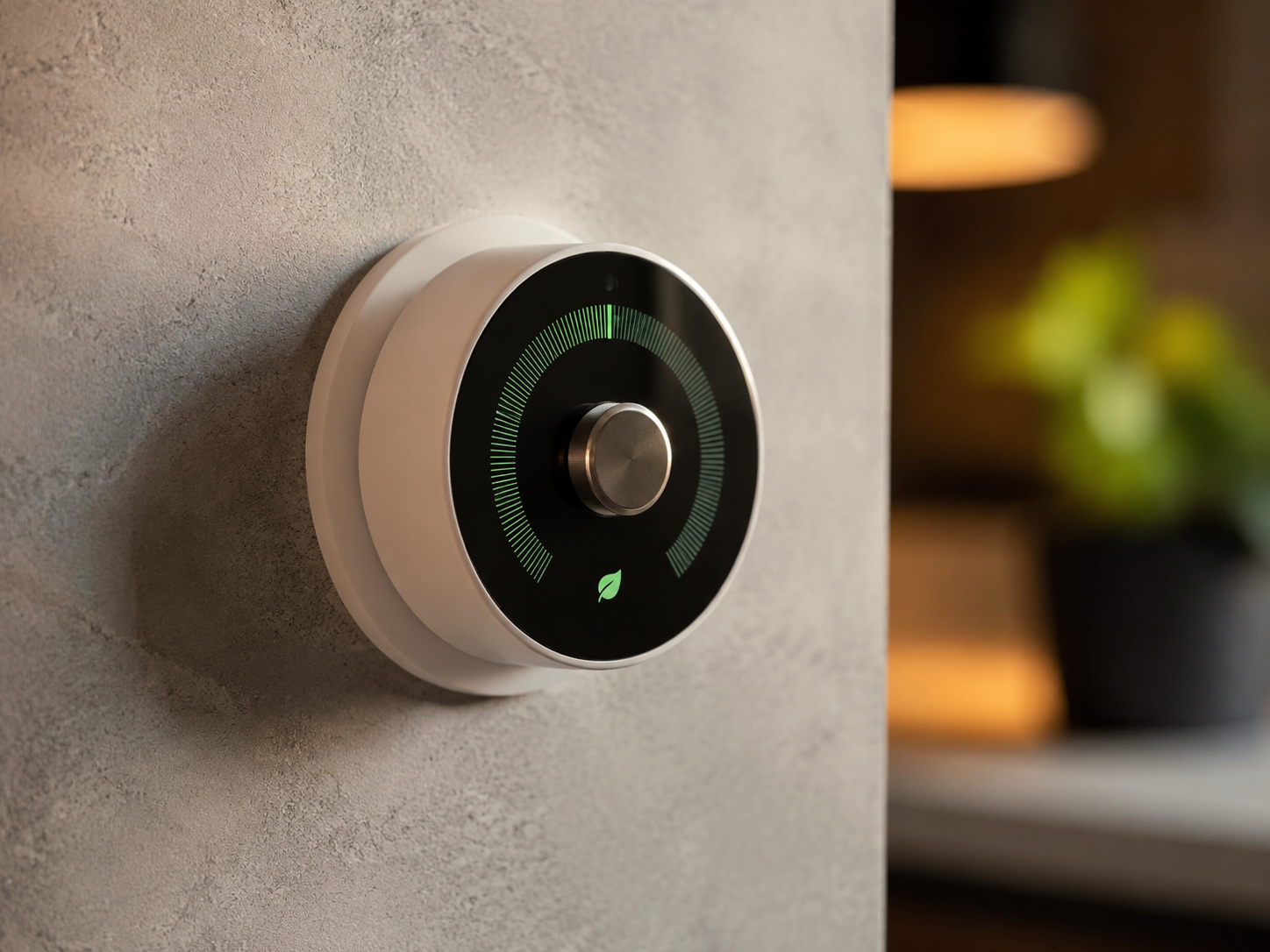
For most UK gas-boiler homes, Tado Wireless Smart Thermostat V3+, often about £179 to £219 for the starter kit, is the most balanced pick. It has strong European heating roots, optional smart radiator valves, OpenTherm support on compatible boilers, and a compact white controller that does not fight with modern interiors.
For households that want an easy high-street purchase, Hive Thermostat Mini, often around £119 to £169 depending on hub and installation bundle, is the simplest mainstream option. It is widely sold through Hive, Amazon UK, Currys, and energy retail channels. The design is modest, which helps in hallways and rental-style refreshes.
For Google homes, Nest Learning Thermostat 3rd Gen, usually about £219 to £249 in the UK, remains the most attractive wall object. It is a polished round dial rather than a small plastic control panel. It is best for users who prize design and simple learning schedules over deep radiator-by-radiator zoning.
For radiator zoning and practical family control, Drayton Wiser Multi-zone Kit 1, often around £150 to £220 before extra radiator thermostats, is the value engineer’s pick. It looks less glamorous, but its zoning options can be more useful in draughty terraces, extensions, and homes where one room is always too cold.
Comparison Table: Price, Where to Buy, and Tariff Fit
| System | Typical UK Price | Where to Buy | Best Fit | Design Read |
|---|---|---|---|---|
| Tado Wireless Smart Thermostat V3+ | £179-£219 | Tado, Amazon UK, Screwfix | Gas boilers, OpenTherm, radiator valves | Small white hardware, discreet |
| Hive Thermostat Mini | £119-£169 | Hive, Currys, Amazon UK | Simple boiler schedules | Plain, compact, renter-friendly look |
| Google Nest Learning Thermostat 3rd Gen | £219-£249 | Google Store, Amazon UK, Currys | Design-led Google homes | Round metal statement piece |
| Drayton Wiser Kit 1 | £150-£220 | Drayton, Screwfix, Amazon UK | Room zoning and radiator control | Functional white controller |
| Honeywell Home Evohome | £250-£500+ | Resideo dealers, heating installers | Larger zoned homes | More control panel than decor object |
The best smart thermostat UK Octopus Energy choice is not always the prettiest one. A Nest dial may look best beside oak floors and brass switches, but a Tado or Drayton setup with radiator valves may save more in a house where bedrooms, kitchen, and lounge need different heat patterns.
How Octopus Tariffs Change the Thermostat Decision
With a flat tariff, the thermostat’s job is simple: avoid heating empty rooms and keep the schedule sensible. With a time-of-use tariff, timing matters more. If electricity is cheaper overnight or during defined slots, a heat pump user may want to pre-warm the home gently, store heat in the building fabric, or heat water when rates are lower.
For gas boiler users, the tariff effect is less direct. A smart thermostat can still cut gas waste, but it will not turn a gas boiler into a cheap-rate electric appliance. The bigger benefit is control: geofencing, frost protection, holiday mode, and fewer hours spent heating a hallway while everyone is out.
“A smart tariff rewards good timing, but the thermostat has to protect comfort first. Cheap heat is not useful if the house feels cold during the hours people actually live in it.”
According to Ofgem and UK government energy-efficiency guidance, heating controls are a key part of reducing household energy use. The Energy Saving Trust has also long recommended programmers, room thermostats, and thermostatic radiator valves as practical control upgrades. Smart controls build on that older advice by making schedules easier to change and errors easier to spot.
Best Pick for Gas Boiler Homes: Tado
Tado earns its place because it feels designed around European heating rather than borrowed from an American forced-air model. It supports smart radiator thermostats, geofencing, weather adaptation, and OpenTherm in compatible installations. For a smart thermostat UK Octopus Energy household with a gas combi boiler, that makes it a tidy balance of intelligence and control.
The design is quiet: white square controller, simple LED display, and radiator valves that do not look out of place on modern column radiators. It suits Scandi, Japandi, and new-build interiors because it recedes instead of asking for attention. The catch is subscription pressure. Some Tado features, including automated geofencing assistance, may sit behind paid Auto-Assist plans, so budget for the app experience you actually want.
Best Pick for Simple Installs: Hive
Hive is the approachable UK option. The Thermostat Mini is not a design icon, but it is compact, legible, and familiar to many installers. For a smaller semi-detached house or flat with a standard boiler, Hive gives enough scheduling and app control without turning heating into a hobby.
The main limitation is depth. If the goal is detailed zoning, tariff experiments, or a highly tuned heat pump setup, Hive may feel basic. If the goal is replacing a clunky old programmer with a clean app and a neat wall unit, it is still a sensible buy.
Best Looking Pick: Nest Learning Thermostat
Nest remains the most interior-friendly thermostat sold widely in the UK. The round face looks like a deliberate fixture, especially in homes with round mirrors, globe lamps, circular side tables, or metal hardware. The rotating dial is also more satisfying than many plastic touch panels.
For Octopus customers, Nest is best when the heating routine is fairly regular and the home is already tied to Google Assistant. It is less compelling for radiator-heavy zoning. It can still save energy through learning schedules and presence detection, but buyers with uneven rooms should compare Tado and Drayton before choosing beauty first.
Heat Pump Homes Need a Different Standard
A heat pump should usually run with gentler temperature changes than a gas boiler. Large setbacks can reduce comfort and may reduce efficiency if the system has to work hard later. For Cosy Octopus or other heat-pump-aware usage, the ideal control setup may involve the heat pump manufacturer’s controller, weather compensation, smart meter data, and room thermostats working together.
Before buying, ask the installer whether the thermostat supports the heat pump model, whether it interferes with weather compensation, and whether the manufacturer’s controls are required for warranty or support. In this case, the best-looking thermostat is not always the right technical decision.
Buying Checklist
- Confirm boiler or heat pump compatibility: Check combi, system, conventional, OpenTherm, relay, and heat pump requirements.
- Check smart meter status: Octopus time-of-use tariffs often depend on reliable half-hourly smart meter readings.
- Price the whole kit: Add hub, receiver, installation, and radiator valves before comparing systems.
- Decide on room zoning: One hallway thermostat is cheaper, but radiator valves can fix uneven homes.
- Match the room style: Nest is decorative, Tado is discreet, Hive is plain, and Drayton is practical.
Installation costs vary, but many UK buyers should expect £80 to £150 for a straightforward professional thermostat install. More complex wiring, old programmers, or heat pump integration can cost more. DIY may be possible for confident users, but heating controls are not the place to guess at wires.
Final Recommendation
The safest all-round smart thermostat UK Octopus Energy pick is Tado for gas boiler homes that may later add radiator valves. It offers the best blend of tariff-aware routines, practical zoning, and interior discretion. Choose Nest when the thermostat sits in a visible design zone and the household wants a premium object. Choose Hive when the brief is simple app control at a fair price. Choose Drayton Wiser when room-by-room comfort matters more than brand polish.
The real saving comes from matching the control to the building. A Victorian terrace, a new-build flat, and an air-source heat pump home do not need the same thermostat. Buy for the heating system first, the tariff second, and the wall aesthetic third.
Q&A: Smart Thermostat UK Octopus Energy
Q: Does Octopus Energy require a specific smart thermostat?
No, most tariffs do not require a specific wall thermostat. Some services and trials may integrate with certain devices or heat pump systems, so check current Octopus terms before buying.
Q: Is Tado better than Hive for Octopus customers?
Tado is usually better for users who want radiator valves, geofencing, and deeper heating control. Hive is better for a simpler boiler schedule and an easier high-street purchase.
Q: Can a smart thermostat lower bills without a smart meter?
Yes, it can reduce heating waste through schedules and occupancy features. But time-of-use tariff benefits usually need a working smart meter with reliable half-hourly readings.
Q: What should heat pump owners buy?
Heat pump owners should start with the installer’s recommended controls and manufacturer guidance. A third-party thermostat must not fight weather compensation or trigger inefficient heating patterns.