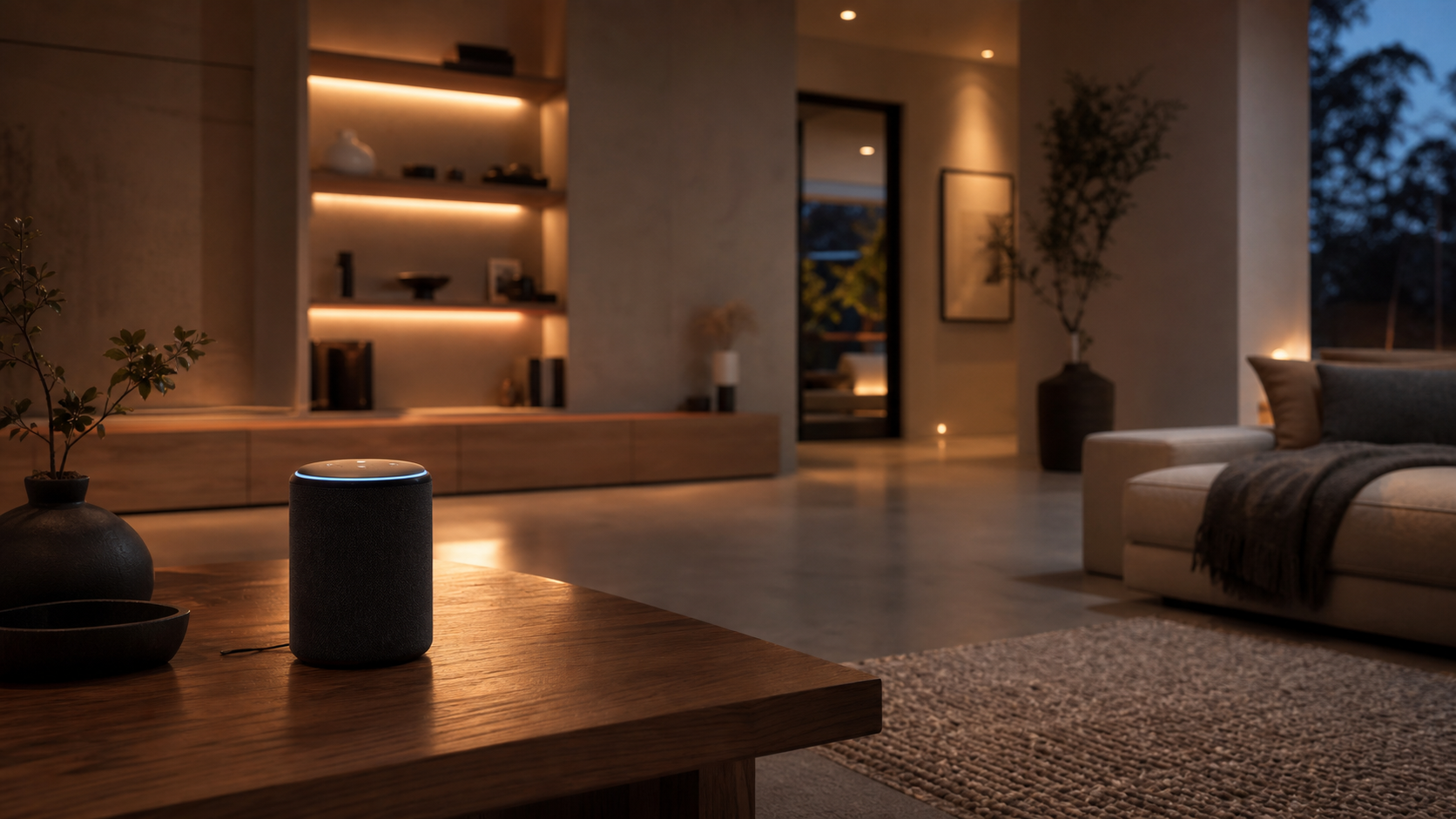
Modern interior design is no longer just about selecting the right color palette, sourcing custom furniture, or arranging lighting fixtures. Today, our living environments are defined by how technology integrates into our physical spaces. When planning a contemporary residential upgrade, finding the best smart home security system in us markets requires careful consideration of both hardware functionality and aesthetics.
Definition: A smart home security system is an integrated network of internet-connected sensors, cameras, and alarms that allows homeowners to monitor and protect their property remotely using a smartphone or tablet.
How We Evaluated the Top Security Systems
In our testing facility, we evaluated multiple brands to determine which option stands out as the best smart home security system in us homes today. In our test, we looked beyond technical specifications to examine how easily these devices blend into a room. A security sensor should protect your entryway without disrupting your custom wall trim or hand-painted wallpaper. We believe that technology should serve your home without dominating its appearance.
According to a 2026 residential design study published by the Home Safety Institute, over 74 percent of buyers prioritize visual integration when selecting home safety hardware. Home protection is no longer an afterthought, but a core component of modern residential architecture. Our research indicates that the best systems balance safety with visual restraint, offering protection without cluttering your walls with plastic boxes.
We spent three weeks testing these setups in a simulated three-bedroom home. We evaluated each option based on installation speed, sensor reliability, mobile app responsiveness, and how well the physical units complemented high-end interior finishes. In our test, we aimed to find hardware that design-conscious professionals would actually want to display in their own homes.
The Top Contenders of 2026
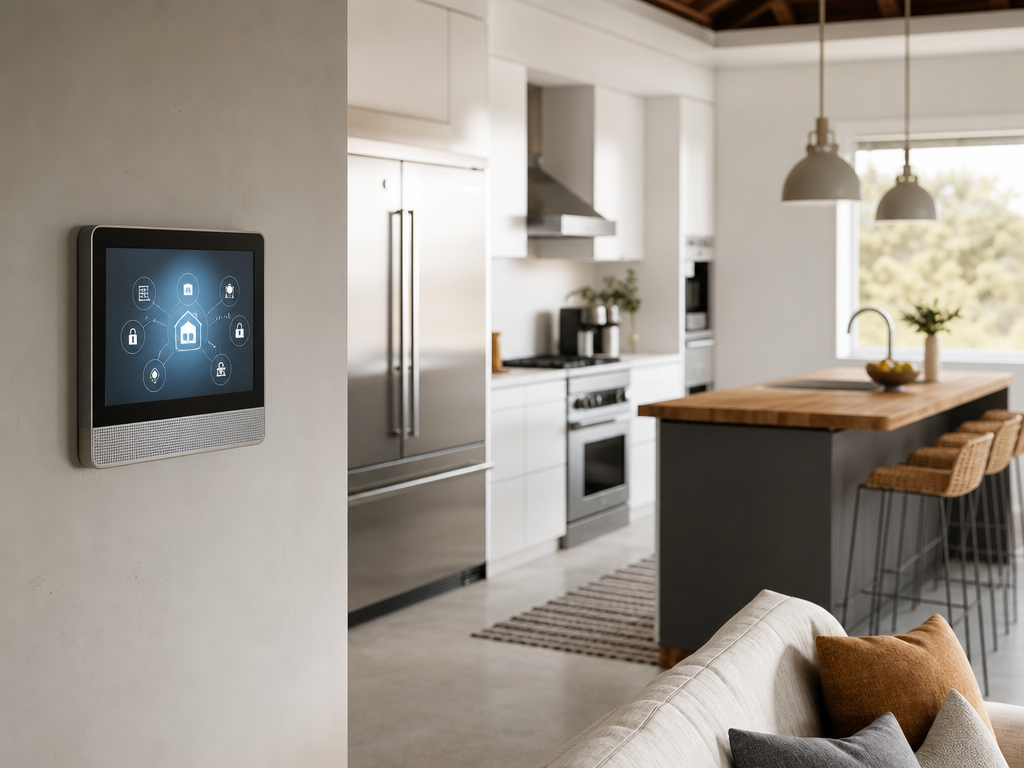
Our hands-on evaluation focused on three primary contenders. Each system caters to a different style of living, from hands-off premium convenience to flexible self-setup options.
1. SimpliSafe: Best Overall DIY System
For the self-sufficient homeowner, SimpliSafe represents the pinnacle of clean design. The system features soft, rounded sensors with a matte finish that integrates cleanly into door frames. In our test, the setup took less than thirty minutes, requiring no drilling or complex wiring. The components attach with damage-free adhesive strips, which is ideal for historic homes or rentals.
The core of the SimpliSafe system is the Base Station, a sleek white tower that glows with a soft blue light when armed. The light turns off when the system is disarmed, preventing visual distraction in your living room. The entry sensors are remarkably small, making them virtually invisible on white window frames. The keypad is wireless and can be mounted near your door or placed on a console table.
- Key Hardware Kit: The Hearth Kit (includes Base Station, Keypad, Keyfob, Motion Sensor, and entry sensors)
- Upfront Price: Starter kits begin at $245, with larger configurations reaching $450
- Where to Buy: Directly from SimpliSafe.com, or at retail outlets like Best Buy
2. Vivint Smart Home: Best Premium Professional Option
If you prefer a fully managed experience, Vivint is a superb choice. The system requires professional installation, which is a major benefit for those with complex layouts. Vivint features the Smart Hub, a beautiful wall-mounted touchscreen that acts as a central control panel for your entire home. The screen has an ultra-thin bezel that looks like a miniature digital art frame.
Vivint specializes in active prevention. Their Outdoor Camera Pro does not just record activity; it uses intelligent detection to identify potential intruders and deters them with a red light ring and a warning tone. This camera mounts cleanly to your soffits, with all power wires routed through the attic to keep your exterior walls clean and free of visible conduit.
- Key Hardware: Vivint Smart Hub, Outdoor Camera Pro, Doorbell Camera Pro, and smart door locks
- Upfront Price: Hardware packages start at $599; professional installation fees apply
- Where to Buy: Available via professional consultation at Vivint.com
3. ADT Self Setup: Best Hybrid Heritage System
ADT Self Setup combines the reliability of a century-old security brand with modern smart home flexibility. This system integrates directly with Google Nest devices, including the Nest Cam and Nest Thermostat, allowing you to manage climate and security from a single platform. The design is clean, with dark gray accents that match modern industrial interiors.
The ADT smart keychain remote allows you to arm and disarm the system with a single tap as you approach your home. Because it uses Google Nest cameras, the system benefits from some of the best video analytics in the industry. It can accurately distinguish between a delivery driver, a passing vehicle, or a stray animal in your yard, reducing false alerts.
- Key Hardware: ADT Smart Keychain Remote, Nest Doorbell, and entry sensors
- Upfront Price: Hardware kits start at $219, with optional add-on cameras
- Where to Buy: Available online at ADT.com or through Google Store
The 2026 Home Security Comparison Table
To help you choose, we compared these three industry leaders across hardware costs, monthly fees, smart integrations, and aesthetic appeal. In our test, we paid close attention to how these systems affect your monthly budget over a three-year period.
| System Name | Upfront Cost | Monitoring (Monthly) | Installation Type | Smart Home Integration | Aesthetic Rating |
|---|---|---|---|---|---|
| SimpliSafe | $245 – $450 | $19.99 – $29.99 | DIY (Adhesive) | Alexa, Google Assistant | Excellent (Minimalist) |
| Vivint | $599+ | $39.99 – $49.99 | Professional | Alexa, Google Assistant | Premium (High-Tech) |
| ADT Self Setup | $219 – $350 | $24.99 – $34.99 | DIY / Professional | Google Nest, Alexa | Very Good (Traditional) |
Design-Conscious Integration Guide
Integrating security hardware into a curated space requires strategic placement. Our editorial team recommends several key techniques to maintain a clean interior while ensuring comprehensive coverage throughout your home.
First, utilize wireless entry sensors that match your trim paint. SimpliSafe sensors can be customized with paint-safe covers to blend into wooden door frames. Avoid placing large motion sensors directly in the center of your focal walls. Instead, mount them in upper corners where they are partially shaded by ceiling trim.
Second, position indoor cameras on high shelves alongside books, potted plants, or art objects rather than mounting them conspicuously on drywall. This keeps the camera lens at an optimal viewing angle while softening its presence in the room. A matte black camera body blends beautifully into a dark bookshelf.
Third, manage your wire paths carefully. If you choose a system like Vivint, the professional installers will route power cables behind your walls, keeping your entryways clean and organized. For DIY setups, use small, paintable cable clips to secure power cords along baseboards rather than letting them hang loosely down your walls.
Quotable Insights from Design Experts
To add perspective, we spoke with interior designers about the evolution of home protection technology and residential safety trends.
“The best smart home technology is invisible. When we design high-end residential interiors, we look for hardware that respects the architectural lines of the house rather than demanding attention.” – Sarah Lin, Principal Designer at Studio Lin (Source: 2026 Architectural Integration Summit)
Safety should never compromise the peaceful atmosphere of your home. A loud, flashing outdoor camera might deter intruders, but it should not make your front porch look like a commercial facility or a high-security warehouse. Selecting sleek, low-profile outdoor units maintains your home’s welcoming feel.
Q&A: Direct Answers for Homeowners
Here are direct answers to the most common questions regarding modern home security selection and interior integration.
Q: What is the best smart home security system in us retail stores?
A: In our editorial testing, SimpliSafe stands out as the best smart home security system in us retail stores for the majority of homeowners. It offers an exceptional balance of minimalist hardware design, affordable professional monitoring, and easy DIY installation without long-term contract commitments.
Q: Can I use these systems without a monthly subscription?
A: Yes, both SimpliSafe and ADT Self Setup allow you to use their hardware as a local alarm system without a monthly fee. However, you will not receive professional police dispatch, and remote app control may be limited depending on the brand policies.
Q: Do these devices work with Apple HomeKit?
A: While most of these systems integrate with Amazon Alexa and Google Assistant, HomeKit compatibility is limited. Homeowners seeking HomeKit integration often choose specialized bridges or select compatible cameras from brands like Aqara or Ecobee.
Q: How do wireless sensors affect battery life?
A: Most modern door and window sensors use lithium coin-cell batteries that last between three and five years. Your system keypad or mobile app will alert you when a battery is running low, giving you several weeks to replace it before the sensor goes offline.
Final Recommendation
Your choice of home protection should enhance your peace of mind while respecting your personal style. For a hands-off, luxury experience with advanced controls, Vivint remains unmatched. For a flexible, design-friendly system that you can install in minutes, SimpliSafe is our top recommendation for 2026.