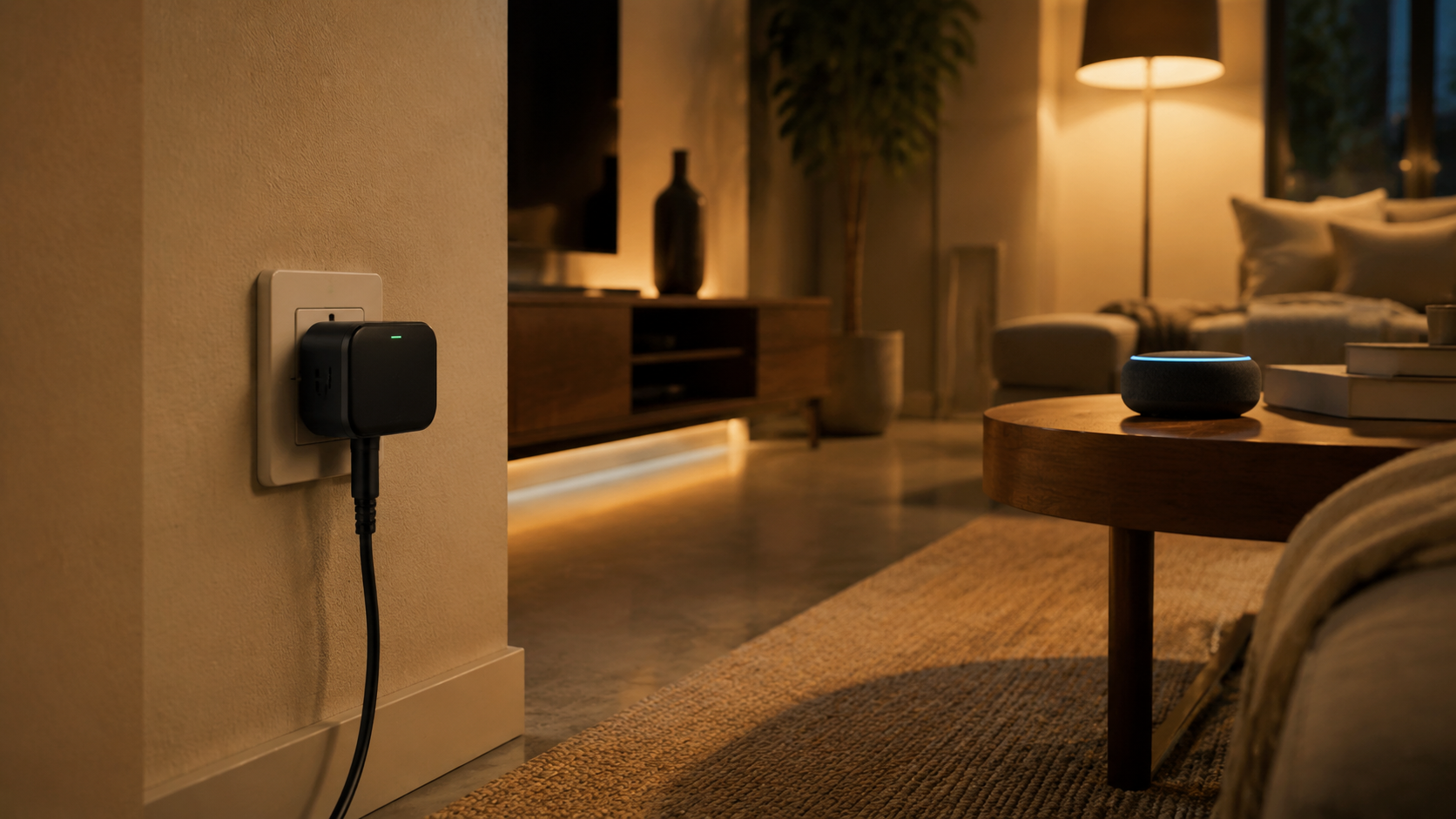
The best smart plug energy monitoring setup is not about filling every outlet with gadgets. It is about choosing a few accurate plugs for the appliances that quietly shape your utility bill: the dehumidifier in the basement, the espresso machine on the counter, the space heater under the desk, and the entertainment console that never really sleeps.
For 2026, the strongest options come from TP-Link Kasa, TP-Link Tapo, Eve, Emporia, Shelly, and Meross. Each takes a slightly different approach to energy data, app design, and smart home compatibility. Some look best in a carefully styled apartment, while others are better for utility rooms and home offices where the numbers matter more than the finish.
Below, I compare the best energy monitoring smart plugs to buy now, with current street prices, ideal use cases, and the small design details that make a plug pleasant to live with every day.
Quick Picks: Best Smart Plugs With Energy Monitoring
| Pick | Typical Price | Best For | Works With | Where to Buy |
|---|---|---|---|---|
| TP-Link Kasa KP125M | $19.99 to $24.99 | Best overall | Matter, Alexa, Google, Apple Home, SmartThings | Amazon, Best Buy, TP-Link |
| TP-Link Tapo P125M | $14.99 to $19.99 | Best value Matter plug | Matter, Alexa, Google, Apple Home, SmartThings | Amazon, Walmart, TP-Link |
| Eve Energy Matter | $39.95 to $49.95 | Best for Apple Home | Matter, Thread, Apple Home, Alexa, Google | Apple Store, Amazon, Eve |
| Emporia Smart Plug | $12.50 to $17.99 each in multi-packs | Best energy reporting | Alexa, Google | Amazon, Emporia |
| Shelly Plus Plug US | $19.99 to $24.99 | Best for power users | Alexa, Google, Home Assistant | Amazon, Shelly |
| Meross Matter Smart Plug MSS315 | $19.99 to $29.99 | Best budget Apple-friendly option | Matter, Apple Home, Alexa, Google, SmartThings | Amazon, Meross |
What Energy Monitoring Actually Shows You
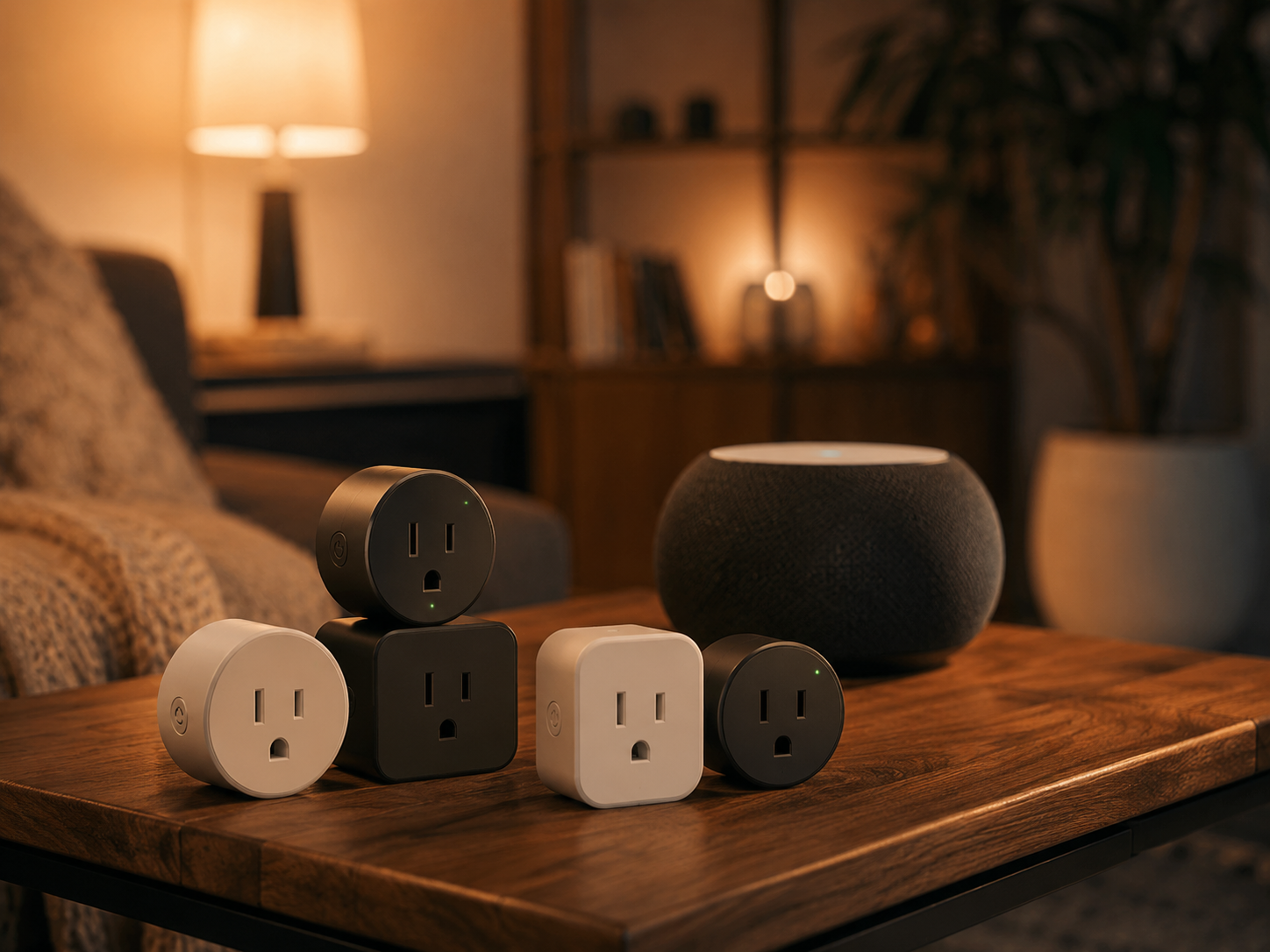
A normal smart plug lets you turn a device on and off from an app or voice assistant. An energy monitoring smart plug adds real-time wattage, historical consumption, and in many cases, estimated running cost. That turns an outlet into a small diagnostic tool.
The most useful number is not always the monthly total. Real-time wattage tells you whether an appliance is idling, cycling, or pulling more power than expected. A dehumidifier that jumps between 250 and 600 watts, for example, may deserve a schedule tied to humidity rather than a simple on-off timer.
These plugs are especially useful for renters and condo owners because they require no electrical work. You plug one into the wall, connect it to Wi-Fi, then plug the appliance into it. The best models keep the second wall outlet accessible, which matters in kitchens, bedrooms, and media walls where outlet space is precious.
Best Overall: TP-Link Kasa KP125M
The TP-Link Kasa KP125M is the smartest starting point for most homes. It usually sells for about $19.99 to $24.99 for a single plug, with two-packs often dropping the per-plug price during Amazon and Best Buy sales. It supports Matter, which means it can work across Apple Home, Alexa, Google Home, and Samsung SmartThings without locking you into one ecosystem.
Design-wise, the KP125M is compact and plain in the best way. The white rounded body sits close to the wall and usually leaves the adjacent outlet open. In a visible area like a bedroom reading corner or kitchen appliance nook, it looks more like a standard adapter than a tech accessory.
The Kasa app gives you daily and monthly energy use, plus real-time power draw. It is easy to read without feeling overly technical. For most households, that balance is the appeal: enough data to spot waste, not so much that checking the app becomes a hobby.
Best uses for the Kasa KP125M
Use it on a coffee maker, desk lamp cluster, fan, portable AC, heated throw, or entertainment console. It is also a good fit for design-conscious rooms because the hardware is small and the app experience is tidy. If you want one plug to test before buying several, start here.
Best Value: TP-Link Tapo P125M
The TP-Link Tapo P125M is often the best buy when price matters. It commonly sells for $14.99 to $19.99, and multipacks can be even cheaper. Like the Kasa KP125M, it supports Matter, which gives it a long useful life in mixed smart homes.
Tapo is TP-Link’s newer smart home line, and the app feels clean and practical. Energy reports are straightforward, schedules are quick to set, and the plug is small enough for most duplex outlets. If you are outfitting three or four rooms, the savings over premium plugs can be meaningful.
The main tradeoff is ecosystem polish. Kasa has been around longer and still feels familiar to many smart home owners. Tapo, however, is the better value if you are buying today and want Matter support at a low price.
Best for Apple Home: Eve Energy Matter
Eve Energy Matter is the refined choice for Apple-focused homes. It typically costs $39.95 to $49.95, so it is not the bargain pick. The reason to pay more is Thread support, excellent build quality, and a polished app that presents energy data with unusually good clarity.
Thread is a low-power mesh networking standard that can make smart home accessories feel faster and more reliable than Wi-Fi plugs, provided you have a compatible border router such as an Apple TV 4K or HomePod mini. In a modern apartment with Apple Home as the control center, Eve Energy feels calm and responsive.
The plug itself is squared-off and slightly larger than the TP-Link models, but it still has a quiet, architectural look. It suits a bedroom, nursery, or home office where you want technology to recede into the room rather than draw attention.
When Eve Energy is worth it
Buy Eve if Apple Home is your main platform, you already have Thread infrastructure, and you care about excellent energy graphs. It is especially good for tracking devices that run every day, like air purifiers, humidifiers, and office equipment.
Best Energy Reporting: Emporia Smart Plug
The Emporia Smart Plug is for people who actually want to study their energy use. A single plug is usually around $17.99, while four-packs often bring the price closer to $12.50 per plug. It works with Alexa and Google, but the real attraction is the Emporia app.
Emporia specializes in home energy monitoring, and that shows. The app can display usage in real time, by minute, by hour, by day, and by month. If you also use the Emporia Vue whole-home energy monitor, these plugs become part of a larger picture of household demand.
The design is more utilitarian than decorative. I would use Emporia in laundry rooms, garages, utility closets, and home offices before placing it in the most styled corner of a living room. For measuring a freezer, server cabinet, dehumidifier, or portable heater, it is excellent value.
Best for Home Assistant and Tinkerers: Shelly Plus Plug US
The Shelly Plus Plug US usually costs $19.99 to $24.99 and is the most enthusiast-friendly option here. It has energy monitoring, local control options, and strong compatibility with Home Assistant. If you want automations that run even when cloud services are flaky, Shelly deserves attention.
The app includes plenty of technical detail, including voltage, current, power, and consumption. That is useful for diagnosing appliance behavior, but it may feel like too much for a casual user. This is the plug for someone who enjoys setting thresholds, alerts, and custom routines.
One handsome use case is hidden control. Place a Shelly behind a credenza to manage a lamp pair, then create a Home Assistant automation that turns the lamps off if standby draw stays above a certain level overnight. It is practical, invisible, and quietly elegant.
Best Budget Apple-Friendly Plug: Meross Matter Smart Plug MSS315
The Meross MSS315 Matter smart plug often sits between $19.99 and $29.99, with multipacks frequently discounted. It supports Matter, so it can join Apple Home, Alexa, Google Home, and SmartThings. For Apple users who do not want to spend Eve money, Meross is a sensible compromise.
Energy monitoring is good enough for routine household tracking. You can see consumption patterns, create schedules, and automate devices from your preferred platform. The hardware is compact, although the finish feels less premium than Eve.
Meross makes sense for secondary rooms: guest bedrooms, kids’ rooms, seasonal decor, or a small studio workspace. It gives you the core benefits without making every outlet a $50 decision.
How to Choose the Right Energy Monitoring Smart Plug
Check the ecosystem first
If you use Apple Home, prioritize Matter plugs or Eve Energy. If you use Alexa or Google, almost every model above will work well. If you use Home Assistant, Shelly and TP-Link are especially popular choices, while Emporia is better when energy dashboards are the priority.
Match the plug to the appliance
Most smart plugs are rated for common household loads, but you should still check the maximum amperage before connecting heaters, air conditioners, or heavy appliances. Many plugs are rated around 15 amps in the U.S., but product pages vary. Never use a smart plug with devices that the manufacturer specifically excludes.
Buy fewer plugs, place them better
Start with the appliances that run longest or draw the most power. Good candidates include air purifiers, dehumidifiers, electric blankets, fans, gaming PCs, monitors, coffee makers, and media centers. A plug on a rarely used accent lamp will not teach you much.
Best Smart Plug Energy Monitoring Setup for a Stylish Home
For a balanced home, I would use three types. Put TP-Link Kasa KP125M or Tapo P125M plugs in visible living spaces because they are compact, affordable, and broadly compatible. Use Eve Energy in Apple-centered rooms where Thread performance and app polish matter. Use Emporia or Shelly in utility zones where deeper energy data is more important than looks.
A strong starter kit would be two Kasa KP125M plugs for the living room and kitchen, one Eve Energy for a bedroom air purifier, and one Emporia plug for a dehumidifier or freezer. That combination keeps the public-facing rooms clean while still giving you serious insight into hidden power use.
Final Verdict
The best smart plug energy monitoring choice for most people in 2026 is the TP-Link Kasa KP125M. It is affordable, compact, Matter-ready, and easy to recommend for almost any room. The TP-Link Tapo P125M is the value pick, Eve Energy is the premium Apple Home choice, and Emporia is the plug to buy when energy reporting is the main goal.
Used thoughtfully, these plugs do more than turn things on and off. They reveal which appliances deserve schedules, which devices waste power in standby, and where a small change can make a room feel more intentional. That is the sweet spot for smart home design: technology that earns its outlet.