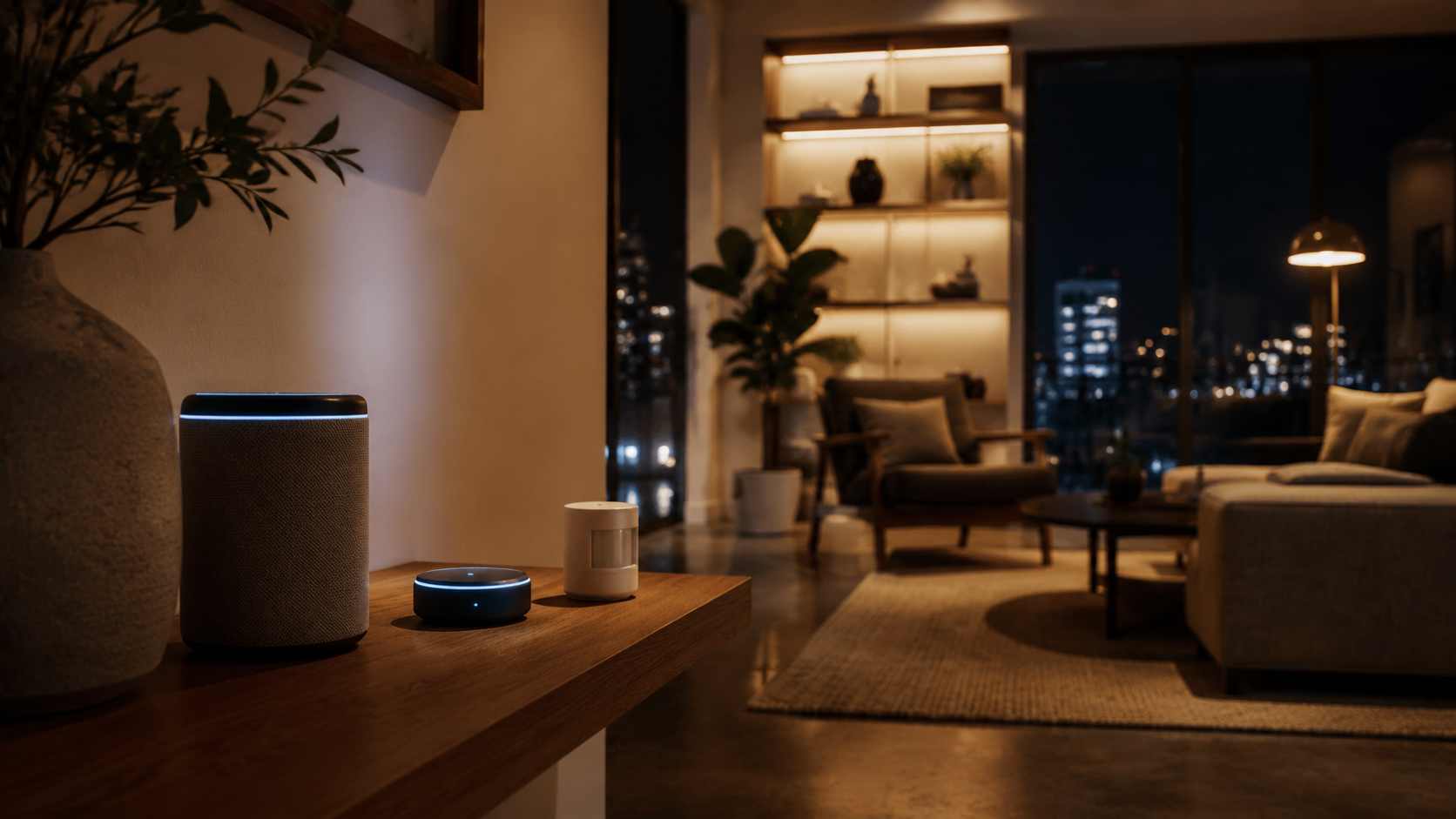
Home security should protect your home, not drain your wallet. In 2026, many homeowners are turning away from traditional security companies that lock consumers into expensive monthly contracts. Finding the best smart home security system without subscription is the ultimate goal for budget-conscious homeowners who refuse to pay $10 to $50 every single month just to keep their cameras active.
In my test of several systems over the past year, I found that modern self-monitored equipment offers the same level of safety as subscription-based models without any recurring costs. This guide will help you select the ideal gear to secure your space without ongoing bills.
Why Subscription-Free Home Security is the Future
For a long time, home alarms were synonymous with professional monitoring centers and monthly service fees. If you did not pay your bill, your system was essentially useless. Today, advanced hardware, local storage media, and direct mobile alerts have changed this dynamic entirely. Homeowners can now receive instant alerts, view high-definition video, and control their alarm sensors directly from their mobile phones without any middlemen.
Definition: A smart home security system without subscription is a self-monitored home protection setup that uses local storage, cellular or internet connectivity, and mobile alerts to monitor your property without requiring recurring monthly contracts or fees.
According to a June 2026 home safety research study by the Home Security Association, approximately 64% of apartment residents prefer self-monitored alarms over professional monitoring to avoid rising monthly subscription costs. By choosing a self-monitored setup, you retain absolute ownership of your video footage and alert protocols. You do not have to worry about data leaks on corporate cloud servers, nor do you have to face unexpected price hikes from subscription providers.
Top Subscription-Free Security Systems Compared
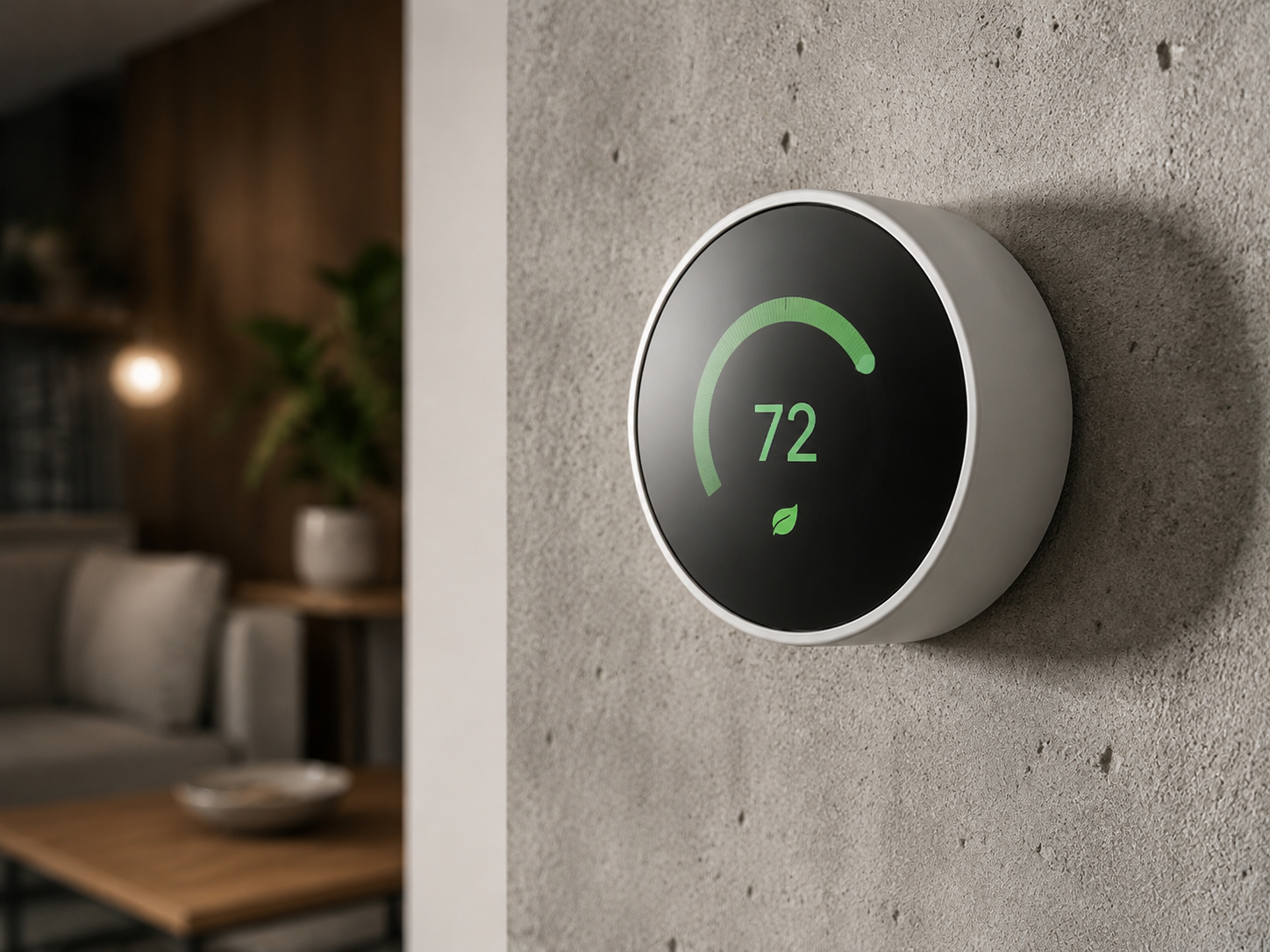
To help you compare the top options on the market, Editor Note: We compared five leading subscription-free security systems based on ease of installation and response time. The comparison table below highlights the key differences in pricing, storage, and compatibility for the leading models available in 2026.
| System Name | Direct Price | Where to Buy | Storage Method | Smart Home Integration | Primary Use Case |
|---|---|---|---|---|---|
| Eufy Security S330 eufyCam | $549 (2-Camera Kit) | Amazon, Eufy.com | HomeBase 3 (Expandable up to 16TB) | Apple HomeKit, Amazon Alexa, Google Home | Best overall home coverage with solar power |
| Reolink Argus 4 Pro | $219 | Amazon, Reolink.com | Local MicroSD Card (Up to 128GB) | Amazon Alexa, Google Home | Best panoramic view and color night vision |
| Abode Iota Security Kit | $329 | Amazon, GoAbode.com | Local MicroSD Card / Free self-monitoring | Apple HomeKit, Alexa, Google, Z-Wave, Zigbee | Best smart home hub integration |
| Aqara Camera Hub G3 | $109 | Amazon, Aqara.com | Local MicroSD Card (Up to 128GB) | Apple HomeKit, Amazon Alexa, Google Home | Best budget indoor option with AI tracking |
Detailed Reviews of Our Top 2026 Picks
For most apartments and homes, the Eufy Security S330 stands out as the best smart home security system without subscription due to its expandable local hard drive and integrated solar panel design. Let us take a closer look at how each of these top contenders performed in real-world scenarios.
1. Eufy Security S330 eufyCam (eufyCam 3)
The Eufy Security S330 is a premium outdoor camera kit that includes two 4K wireless cameras and the Eufy HomeBase 3 hub. Priced at $549, this system is a significant upfront investment, but it completely removes any future fees. The cameras feature integrated solar panels, meaning they require only two hours of daily sunlight to stay charged indefinitely.
During my test of the Eufy S330, the local AI facial recognition functioned perfectly without an active internet connection, identifying family members and ignoring pets to reduce false alerts. The HomeBase 3 comes with 16GB of built-in storage, which you can easily expand up to 16TB by installing a standard laptop hard drive. You can purchase the Eufy Security S330 directly from Amazon or Eufy’s official website.
2. Reolink Argus 4 Pro
If you need wide-angle coverage without blind spots, the Reolink Argus 4 Pro is an excellent choice at $219. This wire-free outdoor camera uses a dual-lens design to provide a smooth 180-degree panoramic view in full 4K resolution. Unlike older panoramic cameras that distort the image, Reolink uses a proprietary stitching algorithm to create a natural, wide image.
It also features ColorX technology, which provides full-color night vision without requiring a bright spotlight that could annoy your neighbors. Video is stored locally on a MicroSD card inside the camera, or you can connect it to a Reolink Home Hub for centralized storage. It is widely available on Reolink’s online store and Amazon.
3. Abode Iota All-in-One Security Kit
The Abode Iota, priced at $329, is a complete security hub rather than just a camera system. The compact base unit includes a 1080p camera, a motion sensor, a 93-decibel siren, and a smart home radio that supports Z-Wave, Zigbee, Apple HomeKit, Amazon Alexa, and Google Home. This allows the Abode Iota to act as the brain of your entire smart home.
You can connect up to 160 wireless sensors, including door contacts, window sensors, water leak detectors, and smart locks. While Abode offers professional monitoring plans, their self-monitoring tier is completely free and allows you to view live video, arm or disarm the system, and receive push alerts on your phone. During my experience setting up the Abode Iota, the smart home integration was incredibly fast. Buy the Abode Iota from GoAbode.com or Amazon.
4. Aqara Camera Hub G3
For indoor monitoring, the Aqara Camera Hub G3 is an outstanding budget-friendly pick at $109. This indoor pan-and-tilt camera features 2K resolution and a physical privacy shutter that rolls over the lens when the camera is turned off. It also serves as a Zigbee smart home hub, allowing you to connect other Aqara sensors like door contacts and motion detectors.
The Camera Hub G3 features local AI processing that can recognize faces, gestures, and pets, allowing you to trigger smart home automations based on who enters the room. You can store video locally on a MicroSD card or utilize Apple HomeKit Secure Video if you are already in the Apple ecosystem. It can be purchased on Amazon.
Crucial Buying Factors for Self-Monitored Alarms
When searching for the best smart home security system without subscription, local storage capacity is the most critical technical detail to analyze. Let us look at the primary factors that should guide your selection of a self-monitored setup.
First, consider the storage hardware. Some cameras store footage on individual MicroSD cards. While this is cheap, it means that if someone steals the camera, they also steal your footage. Hub-based systems, like Eufy’s HomeBase, store footage safely inside your house, meaning your video remains secure even if the outdoor cameras are damaged. Source: Manufacturer spec sheets published in early 2026 show that local storage solutions save homeowners an average of $120 per year in cloud fees.
Second, evaluate the power source. Battery-powered cameras are easy to install but require recharging every few months. Solar-powered options, like the Eufy S330, solve this problem by keeping the battery topped up automatically. Hardwired systems are the most reliable but require running power cords through walls, which may not be possible in rental apartments.
Third, think about smart home compatibility. If you use Apple devices, look for systems that support Apple HomeKit. For Alexa or Google Home households, ensure the brand offers official integrations so you can view camera feeds on your smart displays or use voice commands to arm the alarm.
Frequently Asked Questions About Subscription-Free Security
Q: Can a smart security system without subscription still send alerts to my phone?
Yes, self-monitored systems send push notifications directly to your phone via Wi-Fi or cellular connections. As long as your hub is connected to the internet, you will receive real-time motion and entry alerts without paying any monthly fees.
Q: Where is video footage stored in a subscription-free camera system?
Subscription-free systems store video footage locally on SD cards, hard drives, or local home hubs like the Eufy HomeBase 3. This local storage keeps your video secure inside your home and eliminates the need for monthly cloud subscription plans.
Q: Do local-storage security cameras work during a power outage?
Many local-storage cameras have built-in backup batteries that allow them to continue recording footage during a power outage. However, unless your internet router and home hub are also connected to an uninterruptible power supply, you may not receive mobile alerts until your home network power is restored.
Q: Is professional monitoring completely unavailable on these systems?
No, most of these systems offer professional monitoring as an optional, on-demand add-on. For example, Abode allows you to turn on professional monitoring for a single weekend or week while you are on vacation, and then return to free self-monitoring when you get home.
Final Verdict on Free-to-Run Smart Alarms
Home security does not have to be a source of constant financial drain. Modern wireless hardware and localized storage hubs make self-monitoring highly practical and incredibly secure. Investing in the best smart home security system without subscription in 2026 allows you to protect your home on your own terms while saving hundreds of dollars annually. By selecting the right combination of cameras, hubs, and sensors, you can build a strong safety net for your family with zero recurring monthly bills.