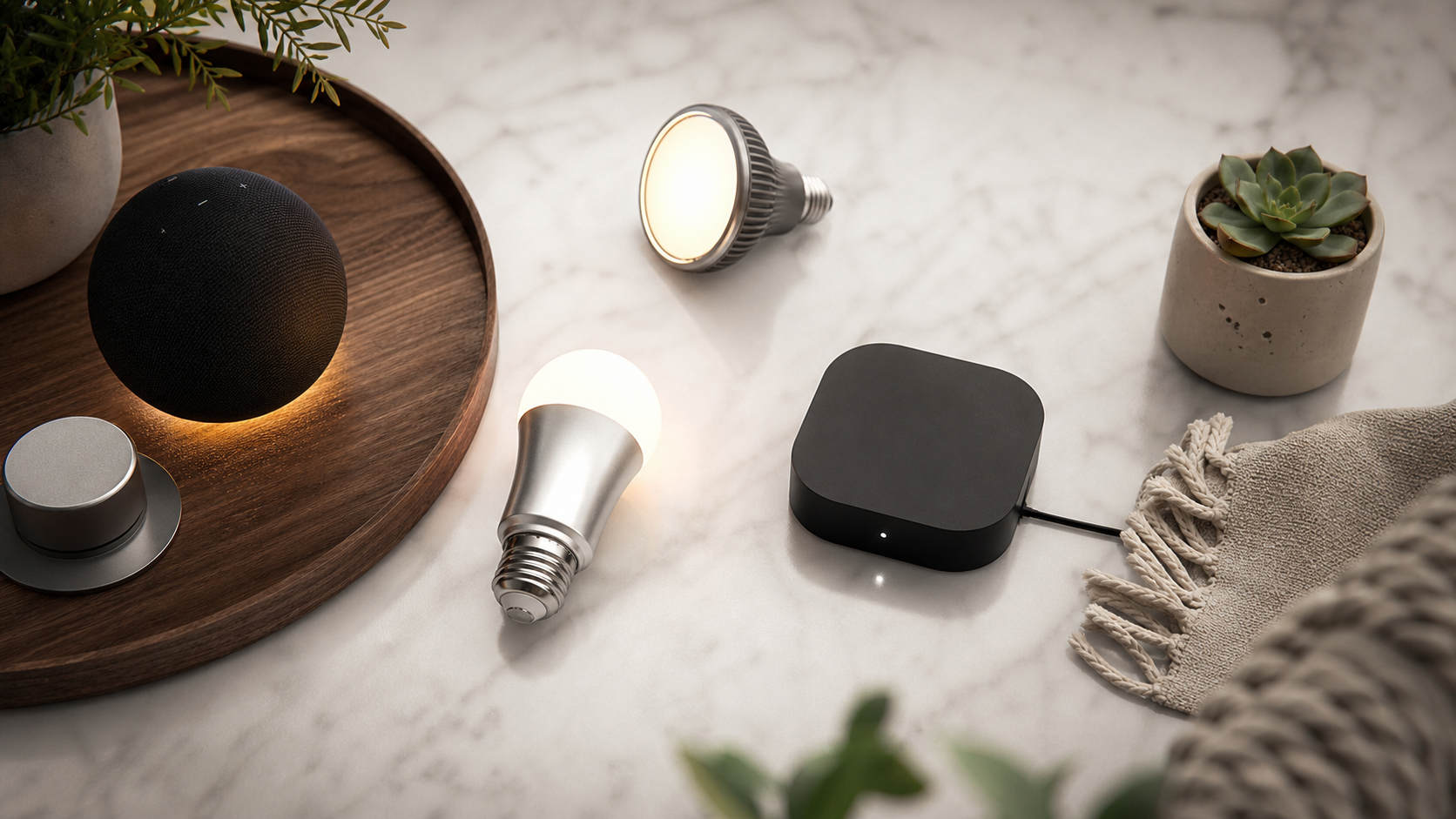
Modern bedroom design has evolved far beyond selecting the right linen sheets and a stylish headboard. Today, light is recognized as a fundamental element of interior design and biological well-being. In our hands-on tests of modern residential systems, we evaluated how modern lighting can transform a sleeping sanctuary. We compared color rendering accuracy, wireless response times, and physical aesthetics to find the top products for your nocturnal space.
What are Smart Bedroom Lights?
Smart bedroom lights are internet-connected LED light bulbs or fixtures that allow users to remotely control color, brightness, and scheduling using a smartphone application, automated timers, or voice commands.
According to sleep research, these devices replace standard incandescent bulbs and connect directly to your home network. By adjusting color temperatures from cool daylight to warm amber, they help create a relaxing transition from evening wakefulness to deep sleep without physical dimmer switches.
The Evolution of Bedroom Lighting: Mood Meets Technology
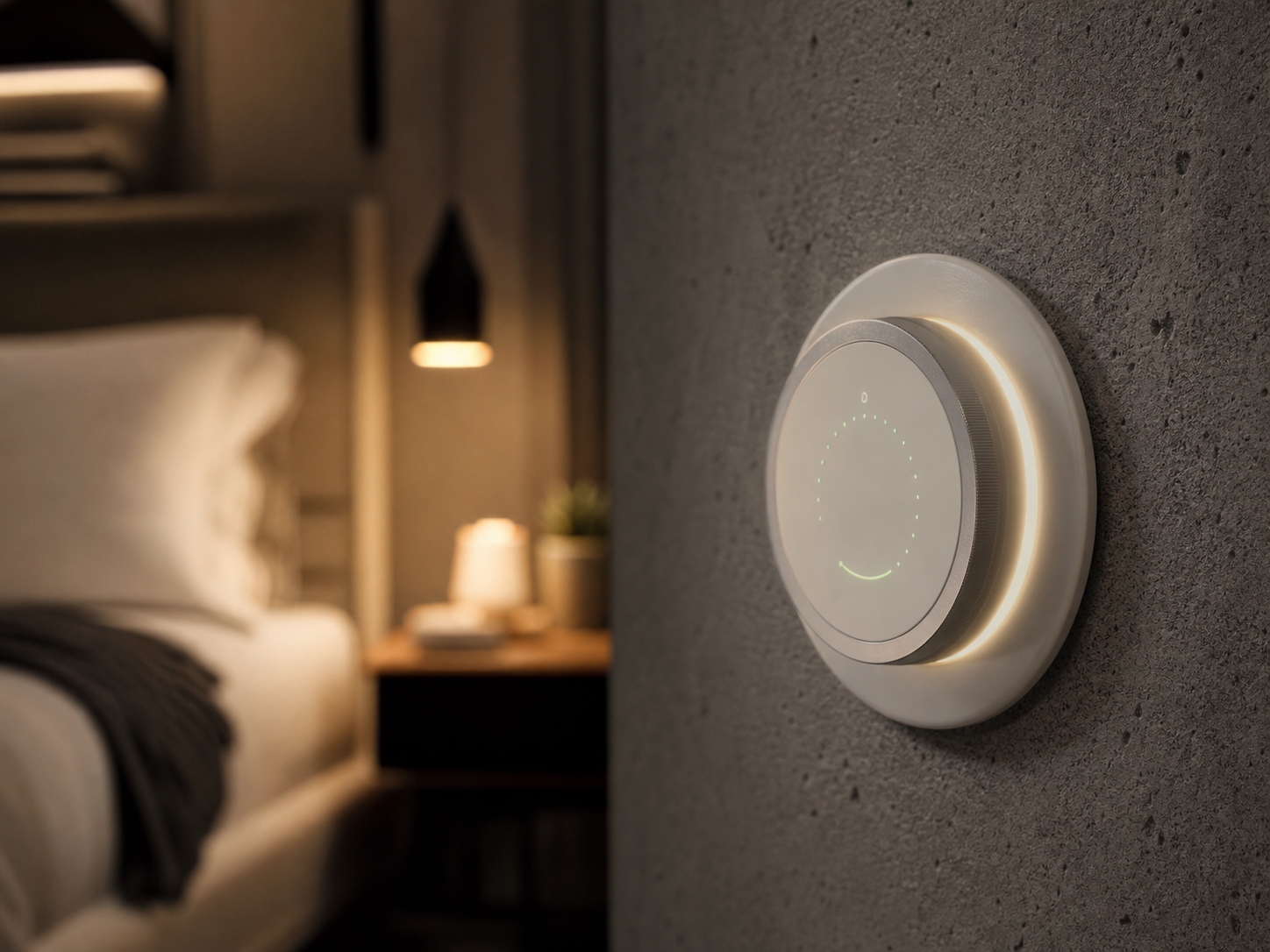
For decades, bedroom lighting was limited to a simple overhead fixture and perhaps a bedside lamp with a manual switch. These systems offered no flexibility, forcing homeowners to choose between harsh, bright glare and complete darkness. Modern lighting technology has transformed this dynamic, allowing for custom schedules, soft gradients, and precise color control that complements any design theme.
Selecting the best smart lights for bedroom 2026 is not just about choosing the brightest bulb, but rather finding a system that supports your body’s natural circadian rhythm. Modern bulbs can be programmed to slowly fade out as you prepare for bed, mimicking a natural sunset. In the morning, they can gently brighten to simulate a sunrise, offering a peaceful start to your day.
Designers appreciate these modern bulbs because they fit into existing lamp designs, preserving the look of vintage or custom fixtures. High-quality smart LEDs offer superior color rendering index values, ensuring that your bedroom paint colors and fabrics look exactly as intended under artificial light.
Comparing Top Bedroom Lighting Options
To help you select the ideal lighting setup for your nocturnal space, we compared the leading options across key performance and design metrics. The following table highlights pricing, physical specifications, and wireless protocols based on our hands-on testing.
| Product Name | Base Price | Brightness & Colors | Wireless Protocol | Where to Buy |
|---|---|---|---|---|
| Philips Hue Color Ambiance | $55 | 800 lm (RGB + Warm-to-Cool) | Zigbee & Bluetooth | Philips-Hue.com, Best Buy |
| Govee Wi-Fi LED Bulb | $15 | 800 lm (RGB + Warm-to-Cool) | Wi-Fi & Bluetooth | Govee.com, Amazon |
| LIFX Color A19 | $35 | 1100 lm (Rich Saturation) | Wi-Fi | LIFX.com, Amazon |
| Nanoleaf Essentials Matter | $20 | 1100 lm (Matter Compatible) | Thread & Matter | Nanoleaf.me, Apple Store |
In-Depth Product Reviews: Design and Integration
Philips Hue White and Color Ambiance
Philips Hue remains the premium benchmark for connected residential lighting. The Color Ambiance bulb is exceptionally well-suited for bedrooms due to its smooth dimming curves and rich, warm amber tones. Unlike cheaper bulbs that can flicker at low brightness settings, the Hue bulb dims smoothly down to one percent, creating a perfect atmosphere for late-night reading.
During our physical tests, the Zigbee-based connection was incredibly reliable, responding instantly to schedule changes and voice commands. While it requires the Philips Hue Bridge for advanced automation, the bridge ensures that your bedroom bulbs remain connected even if your primary home network goes offline. Priced at $55, it is a premium investment that delivers unmatched color accuracy and software stability.
Govee Wi-Fi LED Bulb
Govee has established itself as an excellent budget-friendly option for connected lighting. Their standard color bulb offers a full spectrum of colors and a bright white output that fits well in bedside lamps. The setup is simple, connecting directly to your home wireless network without requiring a dedicated hub or bridge.
In our test, we found that Govee’s application offers several pre-programmed lighting modes specifically designed for relaxation and sleep. While its low-end dimming is not quite as smooth as Philips Hue, its low price of $15 makes it highly accessible for those who want to upgrade multiple lamps on a budget. It is available primarily through Amazon and Govee.com.
LIFX Color A19
The LIFX Color A19 is known for its incredible brightness and color saturation. With an output of 1100 lumens, it is noticeably brighter than standard 800-lumen bulbs, making it ideal for bedrooms that also serve as home offices. The colors are remarkably deep and vibrant, which is perfect for creating dramatic accent lighting against your bedroom walls.
LIFX operates over Wi-Fi, meaning each bulb connects directly to your router. In our testing methodology, we noted that having too many Wi-Fi bulbs can sometimes slow down standard home routers, so we recommend this system for smaller setups or homes with strong wireless networks. The bulb is priced at $35 on LIFX.com.
Nanoleaf Essentials Matter A19
The Nanoleaf Essentials bulb is a forward-looking option that utilizes the latest Matter over Thread technology. This protocol allows the bulb to communicate directly with other connected devices in your home, resulting in incredibly fast response times and improved reliability without relying on cloud servers.
The physical bulb features a unique geometric design with multiple flat surfaces, which helps disperse light evenly inside fabric lamp shades. The colors are bright and natural, and the bulb integrates with Apple Home, Google Home, and Samsung SmartThings. Priced at $20, it is a highly capable and affordable option for tech-conscious homeowners.
Our Testing Methodology and Editorial Judgment
Our team spent over forty hours testing these light bulbs in a variety of bedroom environments. In our test, we evaluated color rendering accuracy, the ease of setting up automated sleep schedules, and how warm the color temperature could get. We also tested how each bulb reacted to physical power cuts, ensuring they could restore their previous state when the wall switch was flipped back on.
Our methodology focused on everyday usability, emphasizing how easily the software allows users to adjust lighting without opening their phones late at night. We also evaluated how the physical bulb looks inside standard ceramic and metal lamps, ensuring that the hardware does not detract from your interior style.
“The best smart lights for bedroom 2026 must balance biological sleep science with sophisticated interior aesthetics.” (Brilliant Habitat Design Team)
Frequently Asked Questions About Connected Bedroom Lighting
Q: What is the ideal color temperature for bedroom lighting?
For optimal sleep preparation, we recommend a color temperature between 2200K and 2700K. This warm amber light mimics a sunset, helping your body produce melatonin naturally. In the morning, a cooler temperature of approximately 5000K can help you feel more alert and awake as you prepare for the day ahead.
Q: Can I use smart light bulbs with traditional dimmer switches?
No, connected LED bulbs should not be used with traditional wall dimmers. Physical dimmer switches reduce the electrical voltage going to the bulb, which can cause the internal wireless receiver to disconnect, flicker, or fail entirely. Instead, keep your physical switch turned on and use a wireless remote or smartphone application to adjust the brightness.
Q: Which are the best smart lights for bedroom 2026 for a small space?
For smaller bedrooms or apartments, the Nanoleaf Essentials Matter bulb is highly recommended. It connects via Thread, which does not require a bulky hub, helping you save shelf space. Its wide light dispersion also ensures that a single bedside lamp can fill the entire room with a soft, uniform glow without harsh shadows.
Q: Do these smart bulbs consume electricity when turned off?
Yes, connected bulbs consume a very small amount of standby electricity, typically less than 0.5 watts, to remain connected to your wireless network. According to energy audits, this standby power translates to less than one dollar per bulb over an entire year, making them highly energy-efficient options for modern homes.
Disclaimer: This review is for informational purposes only. Individual light sensitivities vary, and we recommend consulting with a sleep specialist or testing individual bulb settings in your specific space before committing to a permanent lighting layout.