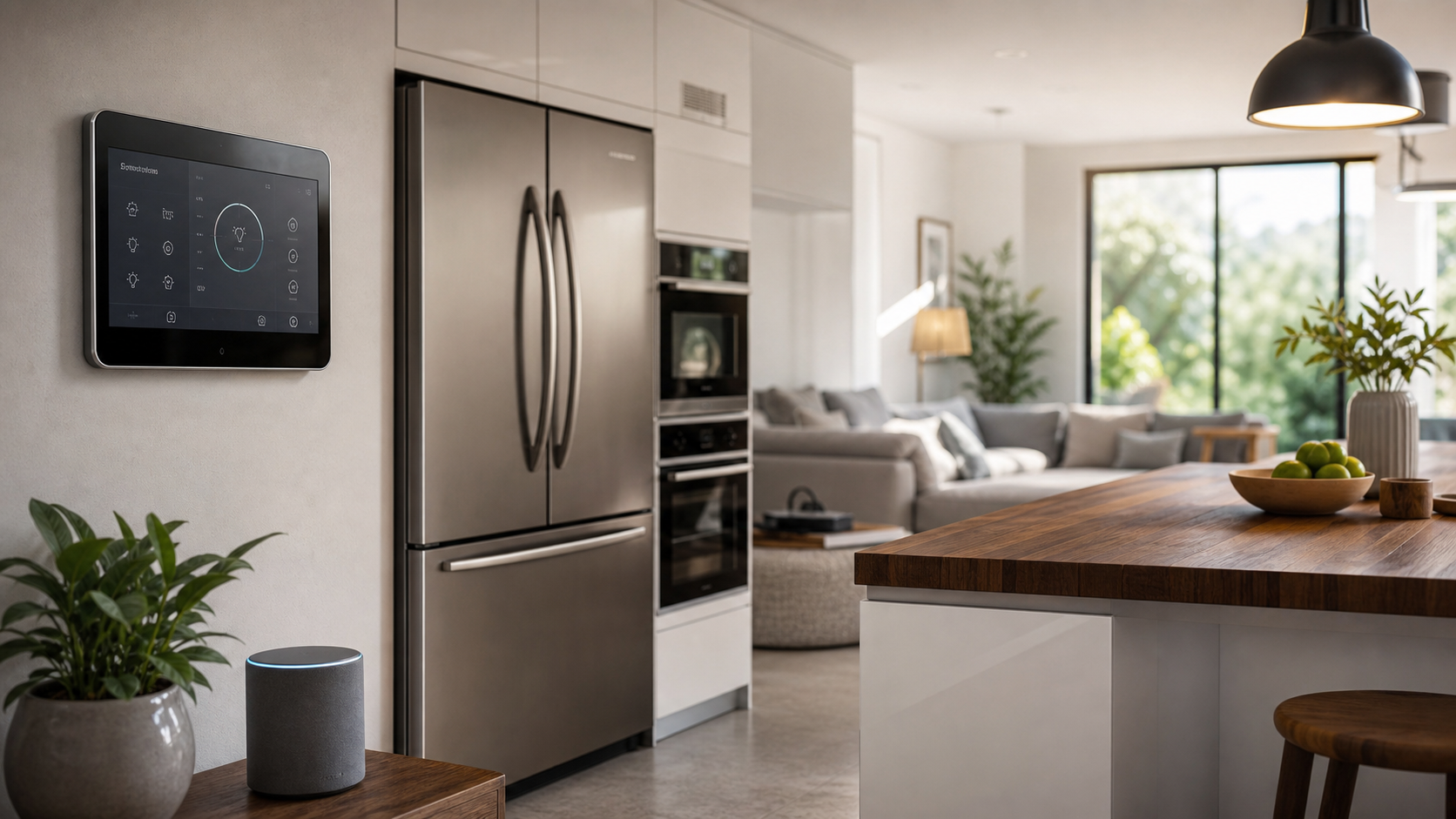
An eco-friendly smart home device is a connected residential technology designed to optimize resource consumption, minimize electricity and water waste, and reduce a household’s overall carbon footprint through automated scheduling, real-time tracking, and intelligent environmental adjustments.
In 2026, the intersection of interior design and domestic technology has reached a quiet consensus. Homeowners no longer want visible gadgets that loudly proclaim their modern capabilities. Instead, they seek quiet luxury, sustainable materials, and technologies that disappear into the fabric of a room while working behind the scenes to conserve precious resources. Integrating green technology into your home is no longer about bulky solar panels and industrial-looking wall units. Modern smart home systems are refined, elegant, and designed to save energy and water with absolute precision.
This journalist guide reviews the best eco-friendly smart home devices of 2026. These selections show that environmental responsibility and high-end residential aesthetics can coexist beautifully, proving that sustainability can be a natural extension of home design.
Climate Control: Intelligent Temperature Management
Heating and cooling represent the largest share of residential energy consumption, often accounting for more than half of a home’s total utility costs. Standard programmable thermostats often fail to save energy because they rely on static schedules that do not adapt to daily variations in weather or occupancy. Smart climate control systems solve this by learning household habits, tracking local weather forecasts, and adjusting temperatures based on whether anyone is actually in the room.
1. Ecobee Smart Thermostat Premium
Price: $249.99
Where to Buy: Amazon, Best Buy, or Ecobee.com
The Ecobee Smart Thermostat Premium features a gorgeous zinc bezel and a smooth glass face, looking more like a high-end luxury watch than a piece of tech on your wall. It includes a remote room sensor that detects both temperature and occupancy. By heating or cooling only the spaces in active use, it reduces heating and cooling energy consumption by up to 26 percent. It also features a built-in indoor air quality monitor, alerting you to increased levels of carbon dioxide and volatile organic compounds.
2. Google Nest Thermostat
Price: $129.99
Where to Buy: Amazon or Google Store
For a sleeker, more minimalist aesthetic, the standard Google Nest Thermostat offers an elegant mirrored display and a trim plate made from 49 percent recycled post-consumer plastic. It is Energy Star certified and automatically scales back heating and cooling when it senses that you have left the house. Its touch-sensitive side strip replaces traditional buttons for a clean, modern interface that fits beautifully in minimalist homes.
Elegant, Low-Energy Ambience
Lighting represents the visual soul of interior design, defining how colors, textures, and architectural details are perceived. Replacing incandescent and traditional halogen bulbs with smart LED equivalents is the easiest way to drop a home’s electricity usage. LEDs use up to 85 percent less energy than standard bulbs and last up to twenty times longer, drastically reducing waste.
3. Philips Hue Smart LED Bulbs
Price: $49.99 (for a dual-pack starter kit)
Where to Buy: Amazon, Best Buy, or Philips Hue online store
Philips Hue remains the gold standard for designer lighting. Beyond their exceptional color rendering index, these smart bulbs can be scheduled to match natural circadian rhythms, slowly brightening with cool light at sunrise and dimming to warm, amber hues at sunset. This natural progression reduces daytime energy waste and eliminates the need to leave lights burning when a room is vacant. The system’s geofencing capability automatically shuts off all lights when the last resident leaves the property.
Power Management: Banishing Phantom Energy Draws
Even when turned off, many appliances draw small amounts of electricity to power clocks, remote sensors, and standby modes. This phantom load can account for up to 10 percent of a home’s annual energy bill. Smart plugs and power strips cut off this parasitic power consumption completely, acting as automated physical switches.
4. Eve Energy Smart Plug
Price: $39.95
Where to Buy: Apple Store or Eve Home online
The Eve Energy Smart Plug uses Thread and Matter technology to track the real-time energy usage of any connected appliance. Its compact design ensures that it does not block adjacent outlets. You can set schedules to completely cut power to televisions, coffee makers, and phone chargers during the night, ensuring zero standby power waste. The accompanying app provides beautiful, detailed charts of your energy consumption over days, weeks, and months, helping you identify heavy energy draws.
5. Kasa Smart Wi-Fi Power Strip (HS300)
Price: $54.99
Where to Buy: Amazon or Target
For larger clusters of electronics, such as a home media center or a home office desk, the Kasa Smart HS300 is an exceptional option. It features six individually controlled smart outlets, each with independent energy monitoring. It allows you to monitor and control entire entertainment systems, shutting down heavy energy draws with a single schedule or voice command when the setup is not in use.
Water Conservation: Flow Tracking and Leak Prevention
Sustainable living requires careful water stewardship, yet silent leaks can waste thousands of gallons of water before they are discovered. Smart water monitors attach to your main water line to identify leaks and track daily water usage, giving homeowners complete visibility over their water footprint.
6. Flume 2 Smart Water Monitor
Price: $199.00
Where to Buy: Amazon or Flume Water online
The Flume 2 is a clever device that straps directly onto your existing water meter with no plumbing required. It sends real-time water usage reports to your phone and detects leaks as small as a drop per minute. By identifying running toilets and dripping faucets, it saves homeowners an average of 10 percent on water bills. The app allows you to set water budgets and receive instant alerts if unusual water flow is detected, protecting your home from water damage and resource waste.
7. Phyn Smart Water Assistant
Price: $299.99
Where to Buy: Amazon or Phyn.com
The Phyn Smart Water Assistant installs under a single sink and analyzes microscopic pressure waves in your plumbing to detect leaks anywhere in the home. It helps families understand exactly where water is used, categorized by showers, toilets, and washing machines. This detailed breakdown encourages conscious conservation habits and makes water usage tangible.
“The most sustainable home is not one that lacks technology, but one where technology works invisibly to eliminate waste.”
Comparing the Top Eco-Friendly Smart Devices
Selecting the right devices depends on your home’s layout and your specific sustainability goals. The following table compares the top eco-friendly smart home devices of 2026, summarizing their primary benefits and pricing.
| Device Name | Category | Primary Eco Benefit | Price | Where to Buy |
|---|---|---|---|---|
| Ecobee Smart Thermostat Premium | Climate Control | Up to 26 percent energy savings on HVAC costs | $249.99 | Amazon, Best Buy, Ecobee.com |
| Google Nest Thermostat | Climate Control | Automated Eco Mode prevents heating empty rooms | $129.99 | Amazon, Google Store |
| Philips Hue Smart LED Bulbs | Smart Lighting | 85 percent energy reduction compared to standard bulbs | $49.99 | Amazon, Best Buy, Philips Hue |
| Eve Energy Smart Plug | Power Management | Eliminates standby phantom power draws | $39.95 | Apple Store, Eve Home |
| Kasa Smart Power Strip (HS300) | Power Management | Monitors and shuts off power to multiple devices | $54.99 | Amazon, Target |
| Flume 2 Smart Water Monitor | Water Conservation | Saves an average of 10 percent on water bills via leak alerts | $199.00 | Amazon, Flume Water |
| Phyn Smart Water Assistant | Water Conservation | Frictionless pressure monitoring spots tiny hidden leaks | $299.99 | Amazon, Phyn.com |
Frequently Asked Questions About Green Smart Home Technology
What is the typical return on investment (ROI) for eco-smart devices?
Most homeowners see a full return on investment within twelve to eighteen months of installing smart thermostats and water monitors. The Ecobee Smart Thermostat Premium can save enough on monthly heating and cooling bills to pay for itself in its first year of use. Similarly, a smart water monitor like the Flume 2 can save hundreds of dollars by alerting you to a hidden running toilet or pipe leak before it causes major damage and spikes your utility bill.
Are eco-friendly smart home devices difficult to install?
No, the majority of modern eco-smart devices are designed for simple consumer installation. Smart plugs require only being plugged into a wall outlet. Smart water monitors like the Flume 2 strap onto your existing water meter with simple bands, requiring zero plumbing modifications. Thermostats can sometimes require connecting a common wire, but manufacturers include detailed instructions and video guides that make the process straightforward for a beginner.
How do smart plugs help reduce carbon emissions?
Smart plugs help reduce carbon emissions by lowering overall demand on the local electrical grid. Many power plants burn fossil fuels to meet peak energy demand. By scheduling smart plugs to completely cut power to non-essential electronics during hours of inactivity, you reduce base power consumption. When multiplied across millions of homes, this collective reduction in power demand significantly decreases the need for carbon-heavy peak energy generation.
Can these devices work with Matter and Thread smart home standards?
Yes, many modern eco-friendly devices have adopted the Matter and Thread standards to ensure long-term compatibility across different ecosystems. The Eve Energy Smart Plug is a prime example, running natively on Matter and Thread. This ensures that the device can communicate directly with your chosen hub, whether you use Apple Home, Google Home, or Amazon Alexa, without requiring multiple proprietary bridges.
Embracing Conscious Tech Integration
Conserving global resources starts with conscious choices inside our homes. By selecting devices that optimize energy, electricity, and water consumption, you can minimize waste without sacrificing the warmth and character of your living space. Modern green tech is sophisticated, subtle, and incredibly effective, showing that the smartest homes of 2026 are also the most responsible.