Ask ten smart home owners what they want from technology and you will hear ten different answers. One person wants every light to react before they touch a switch. Another wants a quiet home with fewer screens, fewer alerts, and no visible gadgets. The useful question is not “How smart can this house become?” It is “What’s your smart home philosophy?”
In 2026, that question matters more than ever. Matter support is improving, Thread devices are easier to find, and premium design brands are finally taking connected products seriously. At the same time, the worst smart homes still feel like gadget museums: noisy, overbuilt, and oddly fragile. A clear philosophy keeps the tech in service of the room, not the other way around.
Start with the room, not the device
A good smart home begins with how the space should feel. A bedroom should calm the nervous system. A kitchen should make morning routines smoother. A living room should shift from bright conversation to soft movie lighting without making guests hunt for an app.
Interior designers already think this way. They ask about habits, sightlines, traffic flow, finish quality, and mood. Smart home planning should borrow that discipline. Before buying a hub, camera, switch, or speaker, write one sentence about what each room needs to do better.
For example, a bedroom philosophy might be: “The room should help me wind down at 10 p.m., wake me gently at 6:30 a.m., and never flash a bright notification at night.” That single sentence tells you more than a shopping list. It points toward warm dimming, blackout control, quiet climate, and restrained automation.
The five smart home philosophies I see most often
Most homes fit one of five approaches. None is perfect for everyone, but naming your preference makes every buying decision easier. It also prevents the common problem of mixing devices that look good on paper but fight each other in daily use.
| Philosophy | Best for | Core products | Typical budget |
|---|---|---|---|
| Invisible comfort | Design-led homes, bedrooms, quiet luxury interiors | Lutron Caséta, Ecobee, Serena shades | $600 to $2,500 per main room |
| Security first | Apartments, townhomes, frequent travelers | Aqara, Eufy, Yale, Reolink | $300 to $1,200 for entry coverage |
| Energy and efficiency | Older homes, high utility bills, eco-minded owners | Ecobee, Eve Energy, Emporia Vue, smart shades | $250 to $1,500 |
| Local control | Tinkerers, privacy-focused users, long-term planners | Home Assistant Green, Zooz, Aqara, Philips Hue | $200 to $1,000 before devices |
| Easy family home | Households that want simple controls and low friction | Apple Home, Google Home, Amazon Alexa, Matter devices | $150 to $800 to start |
Philosophy 1: invisible comfort
Invisible comfort is the most design-friendly smart home philosophy. The goal is to make the house feel better without making the technology obvious. Lights dim at the right color temperature, shades move with the sun, and the thermostat quietly trims the edges of the day.
Lutron Caséta is still the default recommendation for this approach. A Caséta Diva Smart Dimmer is usually about $74.95, and the Lutron Smart Hub is about $79.95 at Amazon, Best Buy, or Home Depot. It is not the cheapest lighting system, but it has a rare gift: it behaves like part of the house rather than a gadget bolted onto it.
Pair that with an Ecobee Smart Thermostat Premium at about $249.99 and you have the start of a calm, high-functioning home. For windows, Lutron Serena shades are expensive, often $500 to $1,200 per window depending on size and fabric, but they look like proper window treatments. In a design-led living room, that matters.
Philosophy 2: security first
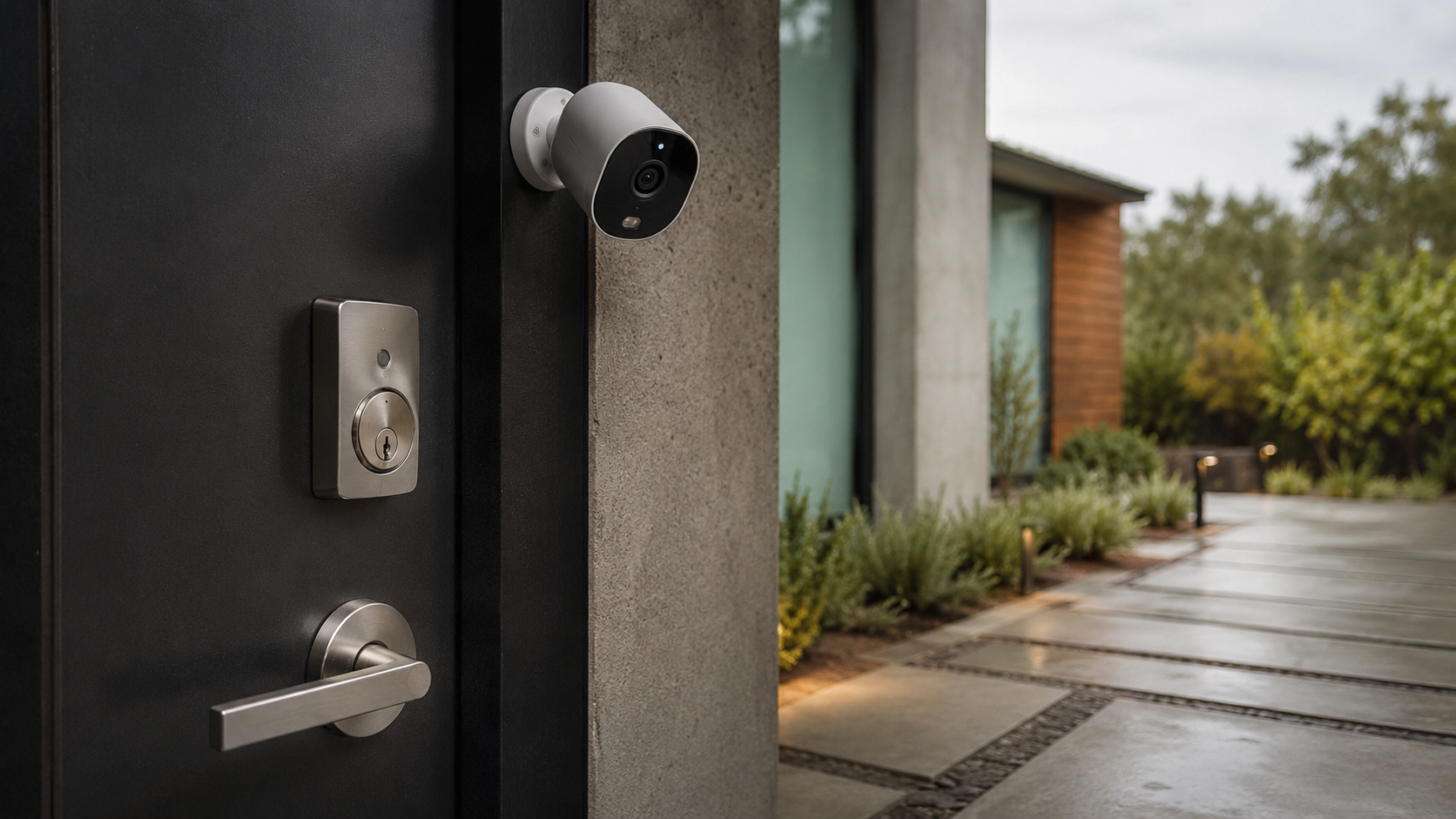
A security-first smart home is not about turning the house into a control room. It is about confidence at the door, the garage, the nursery, and the side gate. The best version is discreet, practical, and respectful of privacy.
For apartments, the Aqara Smart Lock U100 is a strong choice at about $189.99, especially for Apple Home users who want Home Key support. Yale Assure Lock 2 models often run from $159.99 to $289.99 depending on keypad, Wi-Fi, and module options. Both are widely available through Amazon, Best Buy, and direct brand stores.
For cameras, EufyCam S3 Pro kits are premium, often around $549.99 for a two-camera kit with HomeBase, while Reolink Argus 4 Pro cameras are often around $219.99 each. Eufy leans toward polished consumer setup. Reolink appeals to people who want more camera options and stronger local recording choices.
Philosophy 3: energy and efficiency
This philosophy treats the smart home as a utility tool. It is less glamorous than color-changing lights, but it can save real money and reduce waste. The key is to measure first, then automate where the data points.
The Emporia Vue 3 energy monitor usually costs about $179 to $299 depending on sensor configuration, and it shows which circuits are pulling power. Eve Energy smart plugs cost about $39.95 each and are excellent for tracking smaller appliances, lamps, and office gear. If you want a cheaper option, TP-Link Kasa smart plugs often sell in multipacks for $25 to $35.
Climate control is the other major piece. Ecobee and Nest thermostats both sit around $249 for flagship models. Ecobee is my preference for larger homes because its remote sensors are easy to understand and place. Nest looks beautiful on the wall, but Ecobee gives more explicit room-by-room comfort data.
Philosophy 4: local control
Local control is for people who hate the idea that a cloud outage can break the house. It is also for owners who want devices from different brands to work together without paying a monthly fee. This approach takes more setup, but it ages well.
Home Assistant Green costs about $99 and is the easiest entry point. Add a SkyConnect or Home Assistant Connect ZBT-1 adapter, usually around $30 to $40, and you can build a serious Zigbee and Thread foundation. From there, Aqara sensors, Zooz Z-Wave switches, Philips Hue lights, and Matter plugs can all become part of one system.
The design challenge is restraint. Home Assistant can do almost anything, which tempts people to automate too much. A good local-control home still needs normal switches, clear labels, and scenes that make sense to guests. Power should not come at the cost of everyday grace.
Philosophy 5: the easy family home
The easy family home accepts that not everyone wants to learn device names, dashboards, or automation logic. It favors familiar assistants, visible switches, and simple routines. If a babysitter or grandparent cannot use the room, the system is too clever.
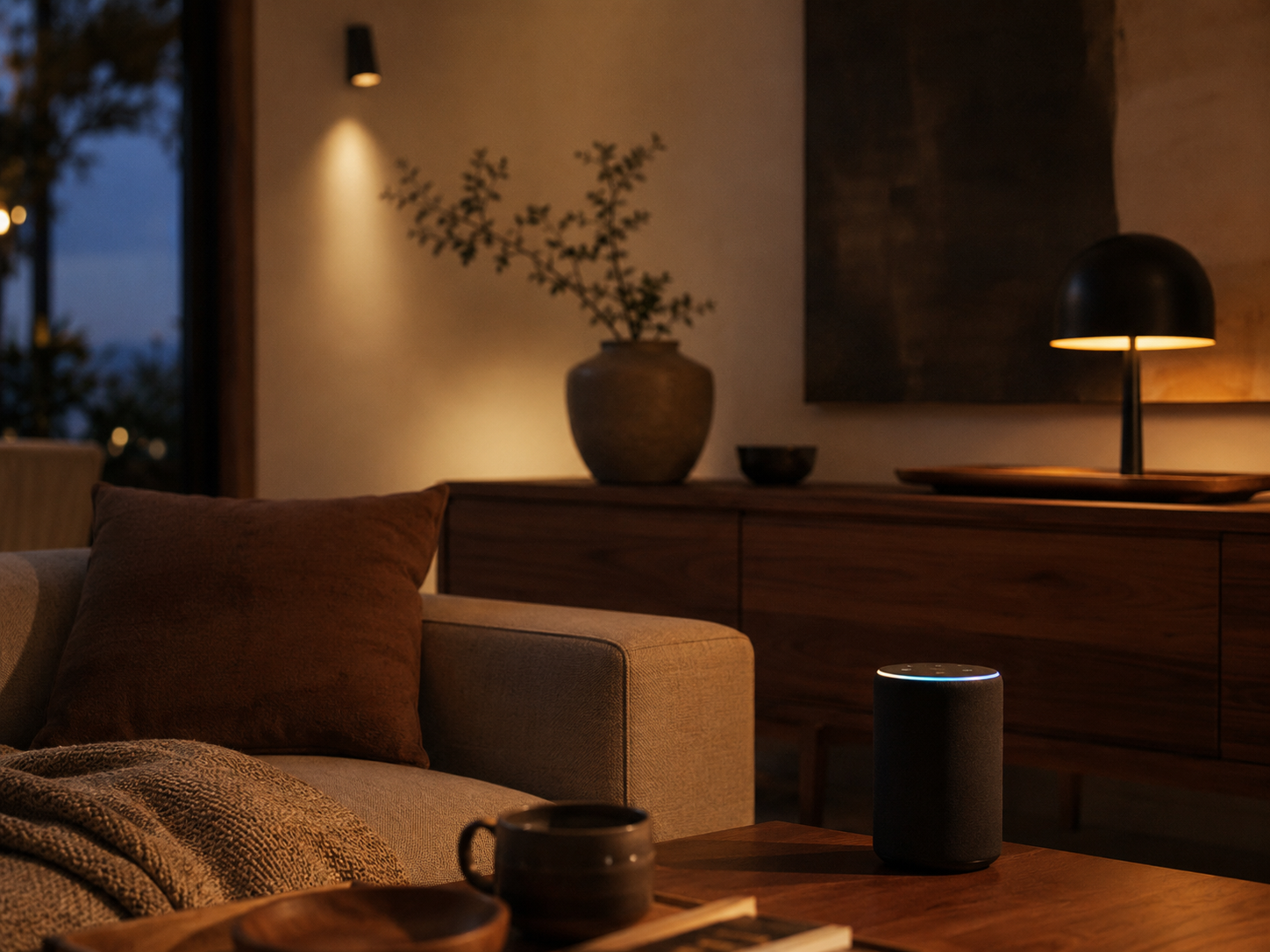
Apple Home is excellent if the household already uses iPhones, Apple TVs, and HomePods. The HomePod mini is about $99 and works well as a compact voice speaker and Thread border router. Google Nest Hub, usually about $99.99, is better for visual reminders and kitchen counters. Amazon Echo devices remain the most budget-friendly voice route, with Echo Dot models often around $49.99 before sale pricing.
For this philosophy, Matter-certified plugs, bulbs, and switches are worth prioritizing. A Meross Matter Smart Plug often costs about $19.99, while Nanoleaf Essentials Matter bulbs usually sit around $19.99 to $49.99 depending on shape and pack size. Buy fewer device types, repeat them, and keep the naming boringly clear.
How to choose your philosophy before you shop
Start with three questions. What problem do I want the home to solve every day? Who else needs to use it? What should still work if the internet goes down? Those answers will do more for your budget than any spec sheet.
If the answer is “I want the house to feel calmer,” choose invisible comfort. If the answer is “I worry about packages and doors,” choose security first. If the answer is “my bills are annoying,” choose energy and efficiency. If the answer is “I want ownership and privacy,” choose local control. If the answer is “my family needs simple buttons,” choose the easy family home.
A practical starter kit for each approach
Begin with one room, then repeat what works
The smartest starter kit is small enough to finish in one weekend. Buy one hub or platform piece, one lighting or control product, and one sensor or plug that proves the idea. Live with it for two weeks before expanding.
| Approach | Starter kit | Approximate price | Where to buy |
|---|---|---|---|
| Invisible comfort | Lutron Smart Hub, two Diva dimmers, Ecobee Premium | About $480 | Amazon, Best Buy, Home Depot |
| Security first | Aqara U100 lock, Aqara Hub M3, door sensor | About $330 | Amazon, Aqara store |
| Energy and efficiency | Emporia Vue 3, two Eve Energy plugs | About $260 to $380 | Amazon, Emporia, Apple Store for Eve |
| Local control | Home Assistant Green, Connect ZBT-1, Aqara sensors | About $170 to $250 | Home Assistant, Seeed Studio, Amazon |
| Easy family home | HomePod mini or Nest Hub, Matter plugs, two smart bulbs | About $160 to $230 | Apple, Google Store, Target, Best Buy |
The products should disappear into the design
The more visible a smart device is, the more it needs to earn its place visually. A thermostat sits at eye level, so finish and proportion matter. A door lock changes the first touchpoint of the home, so it should match the hardware. A speaker on a shelf should look intentional, not abandoned.
That is why I like Lutron wall controls, Nest and Ecobee thermostats, the Yale Assure Lock 2, Sonos Era speakers, and Samsung The Frame for design-sensitive rooms. They are not always the cheapest picks, but they understand that homes are visual environments. A smart home should not ask you to sacrifice the room’s character.
My rule: automate atmosphere, not judgment
The best smart homes automate atmosphere, safety, and routine friction. They should not constantly guess your mood or trap you in complicated logic. A sunset scene, a bedtime fade, a humidity-triggered bathroom fan, and a front-door alert are useful. A dozen fragile routines that require debugging every weekend are not.
So, what’s your smart home philosophy? Mine is design-first local comfort: beautiful controls, quiet automations, strong privacy, and manual fallbacks everywhere. Yours might be simpler, cheaper, more security-focused, or more experimental. The point is to choose it before the cart fills up.
Once you have a philosophy, every purchase becomes easier. You stop buying random clever objects and start building a home with a point of view. That is the difference between a pile of smart devices and a smart space worth living in.