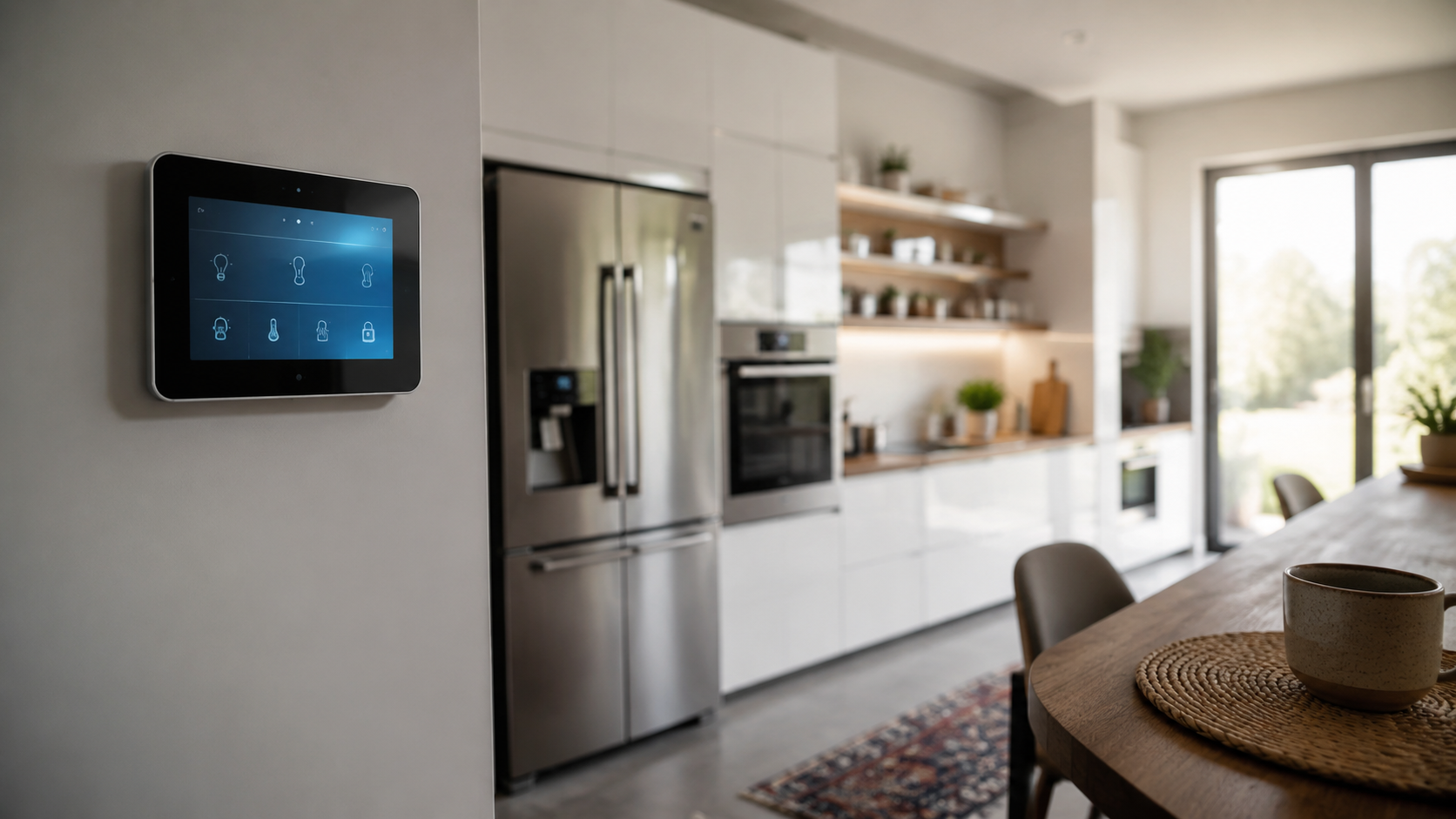
Ask a room full of smart home people what their gateway smart home device was, and the answers are rarely glamorous. More often, it is a $25 smart plug turning on a lamp before sunset, a voice speaker in the kitchen, or a thermostat that quietly stops wasting heat when nobody is home.
That first useful moment matters. A smart home stops feeling like a hobby when it solves one small daily irritation without demanding attention. The best starter device is not the most advanced one, but the one that makes a room feel more considerate.
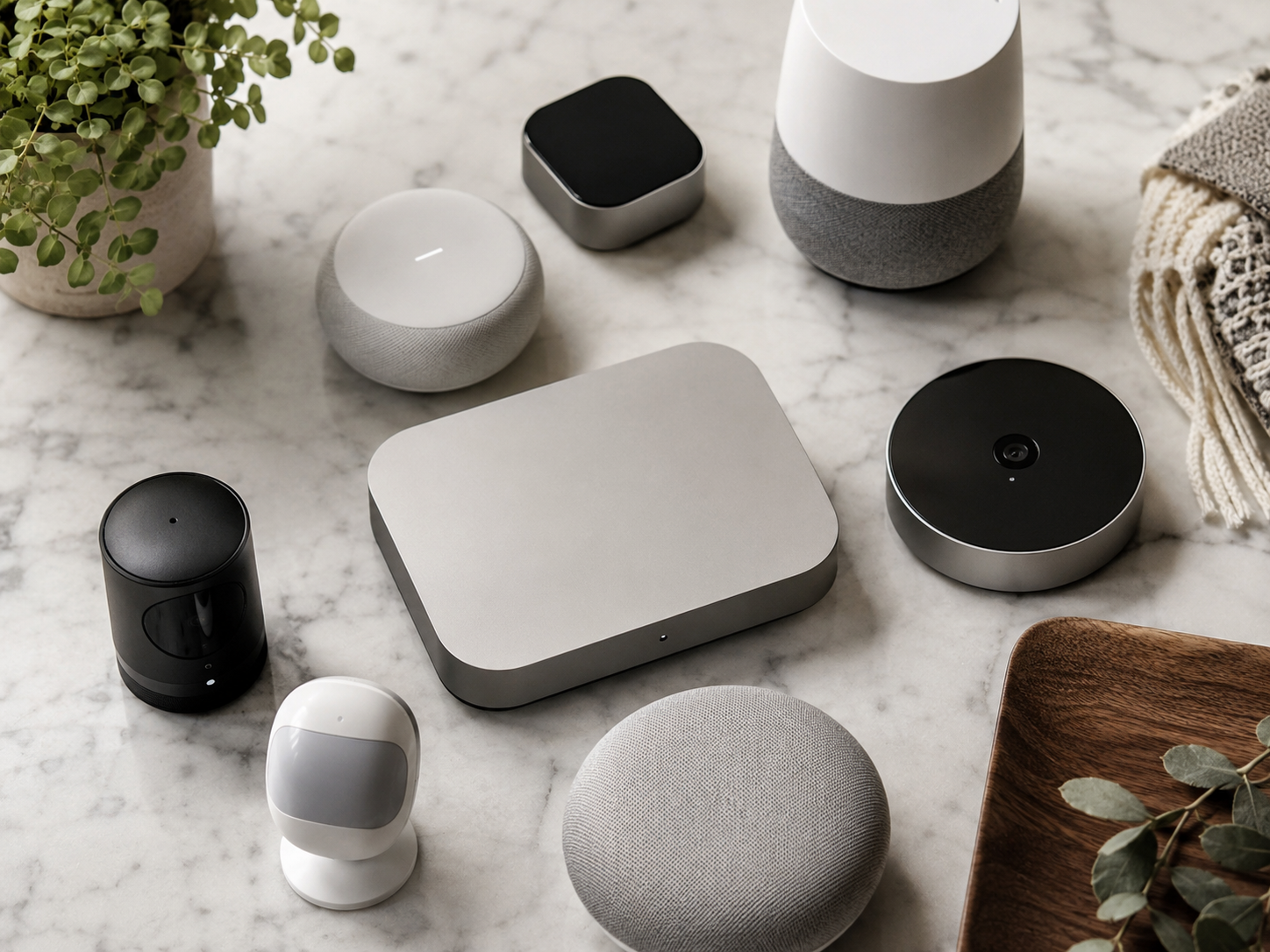
Below is a practical guide to the gateway smart home devices people actually keep using, with current product examples, typical 2026 street prices, and where each one fits best. Think of it as a shopping guide for the first piece of tech that may turn a regular apartment or house into a more responsive place to live.
What Makes a Good Gateway Smart Home Device?
A gateway smart home device should pass three tests: it should be easy to install, useful within the first day, and flexible enough to work with future devices. If it requires rewiring, account juggling, or a weekend of troubleshooting, it is probably not the right first buy.
Matter support is increasingly worth checking in 2026, especially if you do not want to be locked into one brand. Matter is not magic, and some advanced features still live inside each brand’s own app, but it helps devices talk across Apple Home, Amazon Alexa, Google Home, and Samsung SmartThings.
Quick Comparison: Best Gateway Smart Home Devices in 2026
| Starter device | Typical price | Best for | Where to buy | Why it hooks people |
|---|---|---|---|---|
| TP-Link Kasa Smart Plug Mini EP25 or KP125M | $15 to $25 each, often $30 to $45 for a 2-pack | Lamps, fans, holiday lights, coffee stations | Amazon, Best Buy, TP-Link store | Instant control of something you already own |
| Amazon Echo Dot, 5th Gen | $49.99 list, often $29.99 on sale | Voice control, timers, music, Alexa routines | Amazon, Target, Best Buy | Turns scattered devices into a simple spoken habit |
| Google Nest Hub, 2nd Gen | $99.99 list, often $59 to $79 on sale | Kitchen counters, bedside control, Google Home users | Google Store, Walmart, Best Buy | Gives the smart home a friendly screen |
| Philips Hue White and Color Ambiance Starter Kit | About $189.99 for bridge plus bulbs | Design-led lighting, bedrooms, living rooms | Philips Hue, Amazon, Best Buy | Makes a room feel designed, not just connected |
| Ecobee Smart Thermostat Premium | $249.99 list | Energy savings, larger homes, remote sensors | Ecobee, Amazon, Home Depot, Best Buy | Saves effort every day without looking techy |
| August Wi-Fi Smart Lock, 4th Gen | $229.99 list, often $150 to $180 on sale | Renters, apartments, shared access | Amazon, Yale, Best Buy | Changes how you leave and enter home |
The Smart Plug: The Most Underrated First Device
If someone asks for the safest first smart home buy, I still point to a smart plug. The TP-Link Kasa Smart Plug Mini EP25 or KP125M is small, affordable, and easy to understand. Plug in a lamp, name it “reading lamp,” and suddenly an ordinary corner becomes programmable.
The magic is not the app button. It is the schedule. A living room lamp that turns on at sunset makes a home feel inhabited before you walk through the door, and a fan that shuts off at 1 a.m. solves a nightly annoyance without adding another remote to the bedside table.
Smart plugs are also low-risk. You are not replacing a switch, trusting a lock, or committing to a wall of sensors. If you do not like it, move it to another room and try it with a floor lamp, air purifier, heated blanket, or holiday lights.
Best picks
TP-Link Kasa KP125M Matter Smart Plug: usually around $20 to $25 each, with Matter support for better cross-platform use. Buy from Amazon, Best Buy, or TP-Link.
Meross Matter Smart Plug Mini: often $16 to $25 each, a good Apple Home friendly option when discounted. Buy from Amazon or Meross.
Amazon Smart Plug: $24.99 list, best for Alexa households that want the easiest setup. Buy from Amazon.
The Voice Speaker: When Control Becomes a Habit
A smart speaker is often the second gateway device, but for some homes it is the first. The Amazon Echo Dot, 5th Gen, and Apple HomePod mini both make the smart home feel less like phone admin and more like a natural layer in the room. The difference is especially clear in kitchens, where wet hands and timers make voice control genuinely useful.
The Echo Dot is the bargain pick. It is frequently discounted below its $49.99 list price, sounds fine for a small room, and works with a huge catalog of accessories. For a beginner who already shops on Amazon and wants quick routines, it is hard to beat.
The Apple HomePod mini, typically $99, is more polished for iPhone households. It looks softer on a shelf, handles music gracefully, and plays nicely with Apple Home. The tradeoff is that some accessories still expose more features through their own apps or Alexa and Google integrations.
Smart Lighting: The Gateway for Design People
Smart lighting is where the smart home becomes visual. A Philips Hue starter kit is more expensive than a plug, but it gives you something a plug cannot: color temperature, dimming, scenes, and mood. In interior terms, it is the difference between turning a lamp on and composing a room.
The Philips Hue White and Color Ambiance Starter Kit, commonly around $189.99 with a Bridge and bulbs, is still the premium recommendation for people who care about reliability and scene quality. Govee is the more playful option, with LED strip lights often running from $25 to $80 depending on length and features.
Where smart lighting works best first
- Bedroom: warm wake and wind-down scenes are more useful than color effects.
- Living room: lamps on sunset schedules create atmosphere before evening starts.
- Kitchen: under-cabinet strips add task lighting without new hardwiring.
- Entryway: motion or door-triggered lighting makes arriving home feel considered.
The Smart Thermostat: The Gateway You Stop Noticing
A good smart thermostat is less exciting on day one, but more valuable by month three. The Google Nest Learning Thermostat, usually around $249, and the Ecobee Smart Thermostat Premium, also $249.99 list, are the two familiar premium choices. Both can reduce waste, simplify schedules, and make temperature control less fussy.
Ecobee is especially good for homes where one room is always too hot or too cold. Its remote room sensors help the system understand more than the hallway temperature. Nest remains attractive for its clean design, learning features, and simple dial interface.
The Smart Lock: The Gateway for Everyday Friction
For apartments and shared homes, the gateway smart home device may be a lock. The August Wi-Fi Smart Lock, 4th Gen, usually lists at $229.99 and often sells closer to $150 to $180, fits over the interior side of many existing deadbolts. That means you can keep the exterior hardware and, in many rentals, avoid changing the look of the door.
The appeal is immediate. You can check whether the door is locked from bed, give temporary access to a dog walker or guest, and set auto-lock after you leave. It is not as decorative as lighting, but it removes a tiny daily anxiety.
Yale Assure Lock 2 is another strong choice, generally around $160 to $300 depending on keypad, fingerprint, Wi-Fi, or Matter options. It looks more intentional than many smart locks and suits a modern entry better than bulky retrofit models.
Starter Kits by Personality
| If you are… | Start with… | Approximate budget | First automation to try |
|---|---|---|---|
| A renter | Kasa or Meross Matter smart plug | $20 to $45 | Entry lamp on at sunset, off at midnight |
| An iPhone household | HomePod mini plus Matter plug | $120 to $150 | “Good night” turns off lamps and starts white noise |
| A design lover | Philips Hue starter kit | $130 to $190 | Warm evening scene at 30 percent brightness |
| An energy watcher | Ecobee Smart Thermostat Premium | $250 | Away mode when everyone leaves |
| A frequent host | August Wi-Fi Smart Lock or Yale Assure Lock 2 | $150 to $300 | Temporary guest code or app access |
What to Avoid as Your First Smart Home Device
Avoid starting with anything that makes the home harder to use for guests. Smart switches without clear manual control, complicated hubs, and obscure brands can sour the experience quickly. The first device should make normal behavior easier, not require a tutorial taped to the wall.
Also be careful with cheap no-name Wi-Fi bulbs and plugs. A discount is not worth much if the app disappears, the device falls offline, or it cannot connect to your preferred smart home platform. Look for Matter, Apple Home, Alexa, Google Home, or SmartThings compatibility before buying.
Finally, do not automate everything at once. The best homes still have physical switches, simple routines, and obvious fallbacks. Smart living feels best when technology fades into the background and the room simply behaves better.
So, What Is the Best Gateway Smart Home Device?
For most people, the best gateway smart home device is a smart plug. It is inexpensive, reversible, and instantly useful. Add one to a lamp or fan, set a schedule, and you will understand the appeal in one evening.
If you care more about atmosphere, start with Philips Hue. If you want the whole household to actually use the system, add an Echo Dot, Nest Hub, or HomePod mini. If comfort or access is your daily pain point, a smart thermostat or smart lock may be the device that makes the biggest difference.
The real test is simple: does the device remove a repeated annoyance without adding a new one? When the answer is yes, that is the moment a smart home stops being a tech project and starts feeling like part of the architecture.