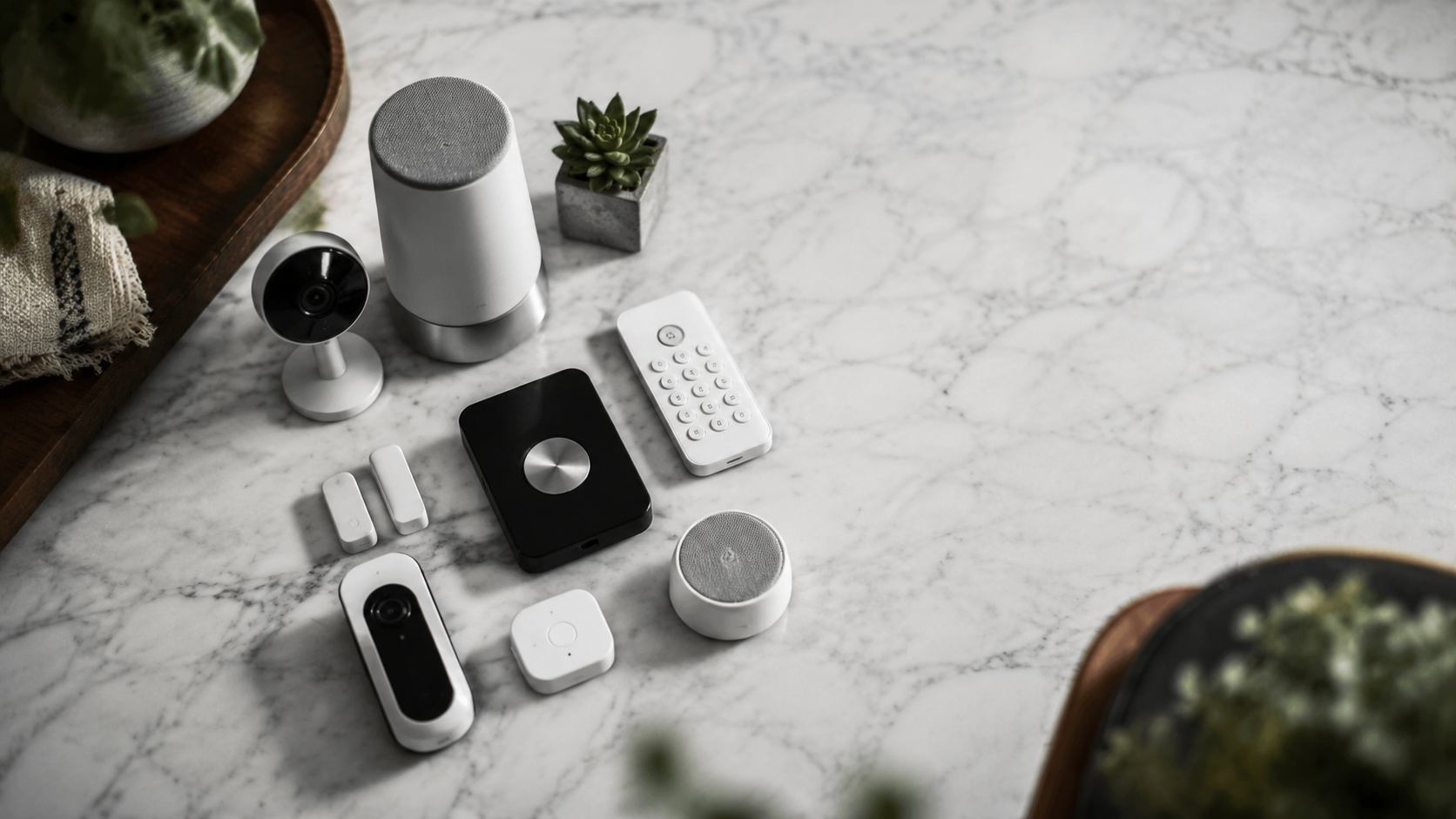
Short answer: the best smart home security system for most homes in 2026 is SimpliSafe, because it balances professional monitoring, straightforward equipment, privacy-conscious design, and a realistic starter price near $250 to $450 before monitoring. For larger homes, Ring Alarm Pro is stronger if you already use Amazon devices. For design-led apartments, Abode is the most flexible choice because it works well with Apple Home, Google Home, Alexa, and Z-Wave accessories.
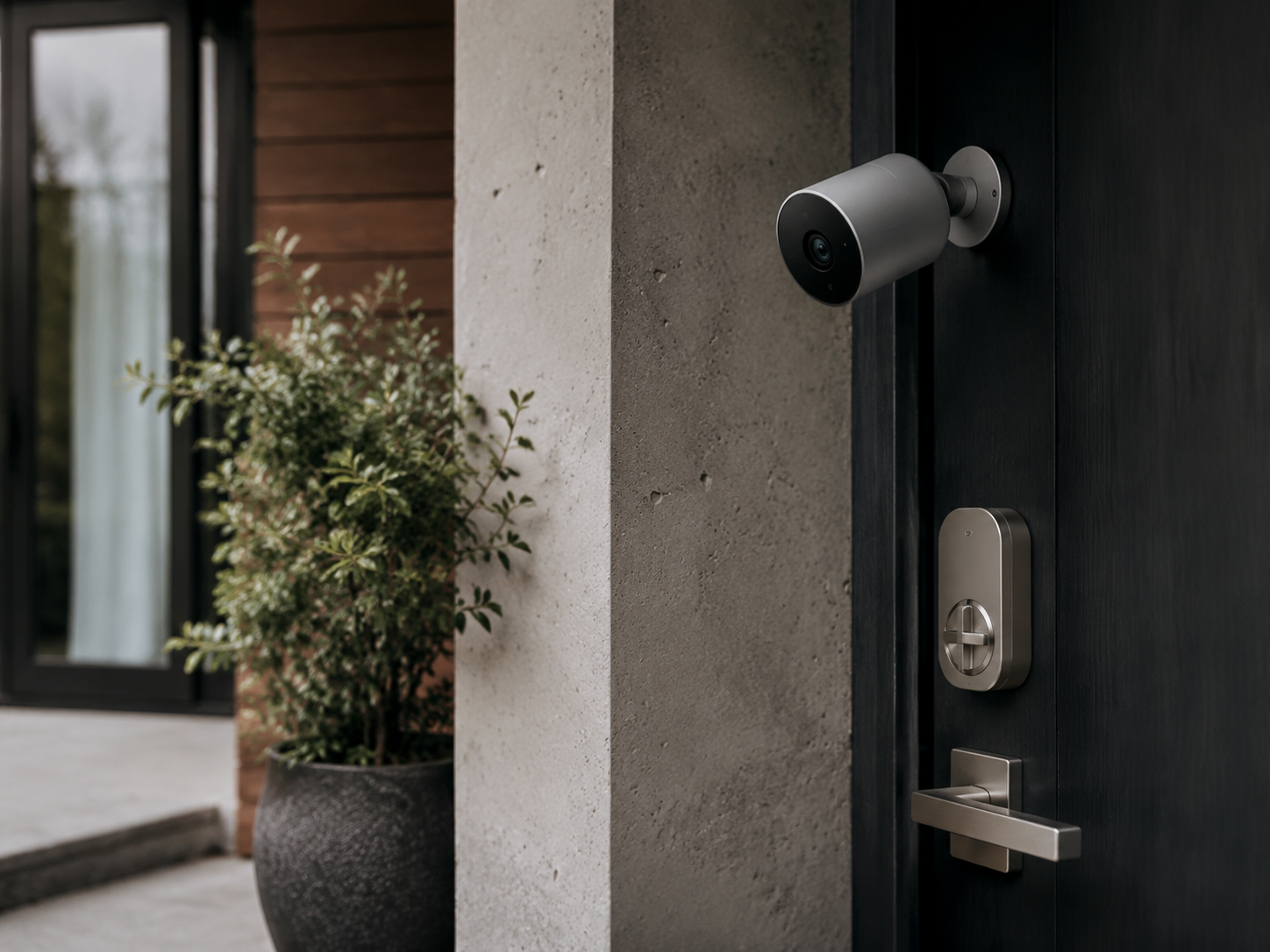
A smart security system is no longer a plastic keypad by the garage door. The best setups now blend cameras, entry sensors, motion detection, smart locks, lighting, sirens, and phone alerts into the background of the home. The goal is not to make a living room feel like a bank lobby. The goal is calm visibility, fast response, and fewer false alarms.
Standalone definition: A smart home security system is a connected set of sensors, cameras, alarms, and controls that detects events in the home and sends alerts to a phone, monitoring center, or smart home platform.
Best overall: SimpliSafe 10-Piece Wireless Home Security System
Best for: most houses and townhomes that need reliable protection without a permanent contract.
Typical price: about $299 to $429 for a 9-piece or 10-piece kit at SimpliSafe, Best Buy, Amazon, and Walmart. Professional monitoring plans usually start around $21.99 per month, with higher tiers adding camera recording and faster video verification.
SimpliSafe is the best smart home security system for people who want a neat, low-friction setup. The base station is small enough to sit on a console table, the keypad can mount near the main entry, and the contact sensors are discreet. It also avoids the feeling that every feature has been trapped behind a confusing subscription menu.
The system works well for a classic three-bedroom layout: entry sensors on the front door, back door, and patio slider, motion sensors in the hallway and living room, and a glass-break sensor near large windows. Add the SimpliSafe Wireless Indoor Camera, Outdoor Camera, or Video Doorbell Pro if you want visual confirmation. For renters, the adhesive mounting makes it easy to remove without drilling into millwork or tile.
Quotable takeaway: A good security system should reduce decision fatigue. SimpliSafe wins because a complete home can be protected with roughly 10 devices, one app, and one clearly priced monitoring plan.
How the top smart home security systems compare
| System | Best for | Starter kit price | Monitoring cost | Where to buy |
|---|---|---|---|---|
| SimpliSafe | Most homes | $250 to $450 | About $21.99/month and up | SimpliSafe, Best Buy, Amazon |
| Ring Alarm Pro | Alexa homes and camera-heavy setups | $299 to $599 | Ring Protect Pro around $20/month | Amazon, Ring, Best Buy |
| Abode Smart Security Kit | Apple Home and mixed-platform homes | $199 to $399 | Self-monitoring or paid pro plans | Abode, Amazon |
| ADT Plus | Professional installation and long-term support | Often $300+ before installation | Often $24.99/month and up | ADT |
| Arlo Home Security System | Homes already using Arlo cameras | $199 to $299 | Arlo Secure plans vary by camera count | Arlo, Amazon, Best Buy |
Best for Alexa households: Ring Alarm Pro
Ring Alarm Pro is the best smart home security system if your home already has Echo speakers, Ring cameras, and Alexa routines. The 8-piece kit often sells for about $299, while larger bundles can move above $500. It is sold through Amazon, Ring, Best Buy, Home Depot, and Target.
The Pro base station includes an Eero Wi-Fi 6 router, which makes it unusually practical for open-plan homes where security and connectivity overlap. If the internet goes down, Ring Alarm Pro can use cellular backup with an eligible Ring Protect Pro plan. For families with a front door camera, driveway camera, and backyard floodlight camera, the Ring app keeps everything in one familiar place.
The tradeoff is ecosystem gravity. Ring is strongest when you are comfortable with Amazon’s smart home world. If your household prefers Apple Home or keeps cameras off cloud-heavy services, Abode or SimpliSafe will feel cleaner.
Best for Apple Home and design flexibility: Abode
Abode is the system I would put in a carefully designed apartment, a renovated bungalow, or a home where the owner has already mixed Apple Home, Sonos, Hue, and a few Z-Wave devices. The Abode Smart Security Kit usually costs around $199 to $279, while the Iota all-in-one hub with built-in camera often lands closer to $329.
Abode’s strength is compatibility. It supports Apple HomeKit on select hubs, Alexa, Google Assistant, Zigbee, and Z-Wave. That means one security system can coexist with a Schlage Encode Plus smart lock, Philips Hue lights, Lutron Caseta switches, and older Z-Wave sensors.
From an interiors point of view, Abode also gives you more ways to hide the technology. A compact hub can sit on a shelf. Mini door sensors disappear into painted trim. Smart lighting routines can make the house look occupied without leaving every fixture blazing.
Best professionally installed option: ADT Plus
ADT Plus is the better pick when the household values professional installation, a known monitoring brand, and direct support. Pricing varies by package, home size, and installation choices, but a realistic starting budget is often $300 to $700 for hardware, then monthly monitoring commonly starting around $24.99 and moving higher with cameras and extra services.
ADT is less charming than a minimalist DIY kit, but it solves a different problem. If you are securing a large home, a second property, or a household with older relatives who want a human support line, ADT’s service structure matters. It can also be a good fit for homeowners who do not want to place sensors, test signal strength, or configure every alert themselves.
The design note is simple: plan hardware placement before the installer arrives. Decide where cameras are acceptable, which doors need contacts, and whether a wall keypad will visually interrupt an entry hall. Security works best when it is planned like lighting, not added like clutter.
Best for camera-first homes: Arlo Home Security System
Arlo makes sense if cameras are the center of your security plan. The Arlo Home Security System is often priced around $199 to $299, while Arlo Pro 5S 2K cameras usually cost about $199 each before discounts. You can buy Arlo gear from Arlo, Amazon, Best Buy, Costco, and major electronics retailers.
The system’s multi-sensor is clever because one device can detect opening, motion, tilt, water leaks, light, and temperature changes. That can be useful in a laundry room, basement, garage, or storage area where one compact sensor does more than a standard contact sensor.
Arlo is not the cheapest path if you need several cameras with recording plans. It is best for people who already like Arlo’s video quality and want security sensors to join that camera setup.
What features matter most in a smart security system?
Professional monitoring
Professional monitoring means a trained response center can contact emergency services when an alarm is confirmed. Self-monitoring means alerts go to you first. The best choice depends on travel habits, household schedules, and whether you can reliably respond to phone alerts.
Cellular and battery backup
A system should keep working during a power or internet outage. Look for a base station with at least 12 to 24 hours of battery backup and a cellular backup option. This matters most for homes with frequent storms, older wiring, or unstable broadband.
Sensor coverage before camera count
Most homes need entry sensors before they need six cameras. Put sensors on the doors and windows people can actually use to enter. Then place motion detection in transition zones such as hallways, stair landings, and open living spaces.
Privacy controls
Choose cameras with clear privacy settings, two-factor authentication, and the option to disable indoor recording when the system is disarmed. In a stylish home, the most luxurious feature is not more footage. It is knowing when the home is not recording you.
Room-by-room recommendation
Entry hall: install a keypad, front door contact sensor, and video doorbell such as the Ring Battery Doorbell Plus, Google Nest Doorbell, or SimpliSafe Video Doorbell Pro. Expect to spend $150 to $230 for the doorbell alone.
Living room: use one motion sensor placed away from heat vents and large windows. If you add a camera, choose a model with a physical privacy shutter, such as the SimpliSafe Smart Alarm Indoor Camera.
Kitchen and laundry: add leak sensors near the dishwasher, sink, washing machine, and water heater. Water sensors often cost $20 to $50 each, and they can prevent the kind of damage that alarms never catch.
Bedrooms: avoid cameras. Use window sensors, smart locks on exterior bedroom doors if relevant, and a panic button in an accessible place for older adults.
Garage: use a tilt sensor or contact sensor on the garage door, plus a camera if packages, bicycles, tools, or EV chargers are stored there.
How much should you spend?
For a small apartment, a good security budget is $200 to $350 for a hub, keypad, door sensors, and one motion sensor. For a three-bedroom house, expect $400 to $800 before monitoring if you want a doorbell camera, outdoor camera, extra sensors, and leak detection. A large home with professional installation can easily move past $1,000.
Quotable statement: In a typical three-bedroom home, the best security upgrade is not the fifth camera. It is complete coverage of reachable doors and windows, backed by a monitored alarm and reliable backup power.
Q&A: What is the best smart home security system?
What is the best smart home security system overall?
SimpliSafe is the best overall smart home security system for most people in 2026. It offers a strong balance of price, simple hardware, optional professional monitoring, and easy installation.
What is the best smart home security system without a monthly fee?
Abode is one of the best choices without a required monthly fee because it supports self-monitoring and works with many third-party smart home devices. Ring and SimpliSafe are better when you want paid professional monitoring.
Is Ring better than SimpliSafe?
Ring is better for Alexa households and camera-heavy setups. SimpliSafe is better for people who want a cleaner alarm-first system with less dependence on one smart home ecosystem.
Do smart security systems need Wi-Fi?
Most smart security systems use Wi-Fi or Ethernet for app control and camera features. The best systems also include battery backup and optional cellular backup so core alarm functions can continue during an outage.
Can a smart home security system lower insurance costs?
Some home insurance providers offer discounts for monitored security systems, smoke detection, or water leak detection. The discount varies by insurer, but it is worth asking because a monitored system can sometimes reduce premiums by 2% to 10%.
Final verdict
If someone asks, “what is the best smart home security system,” the safest recommendation is SimpliSafe for most homes, Ring Alarm Pro for Alexa-centered homes, Abode for mixed-platform design homes, and ADT Plus for professional installation. The right answer depends less on the flashiest camera and more on how the system fits your floor plan, habits, privacy expectations, and appetite for monthly monitoring.
Start with the real entry points, add backup power, choose monitoring if you travel often, and keep cameras out of private rooms. That approach gives you a safer home without turning a beautiful interior into a wall of blinking devices.