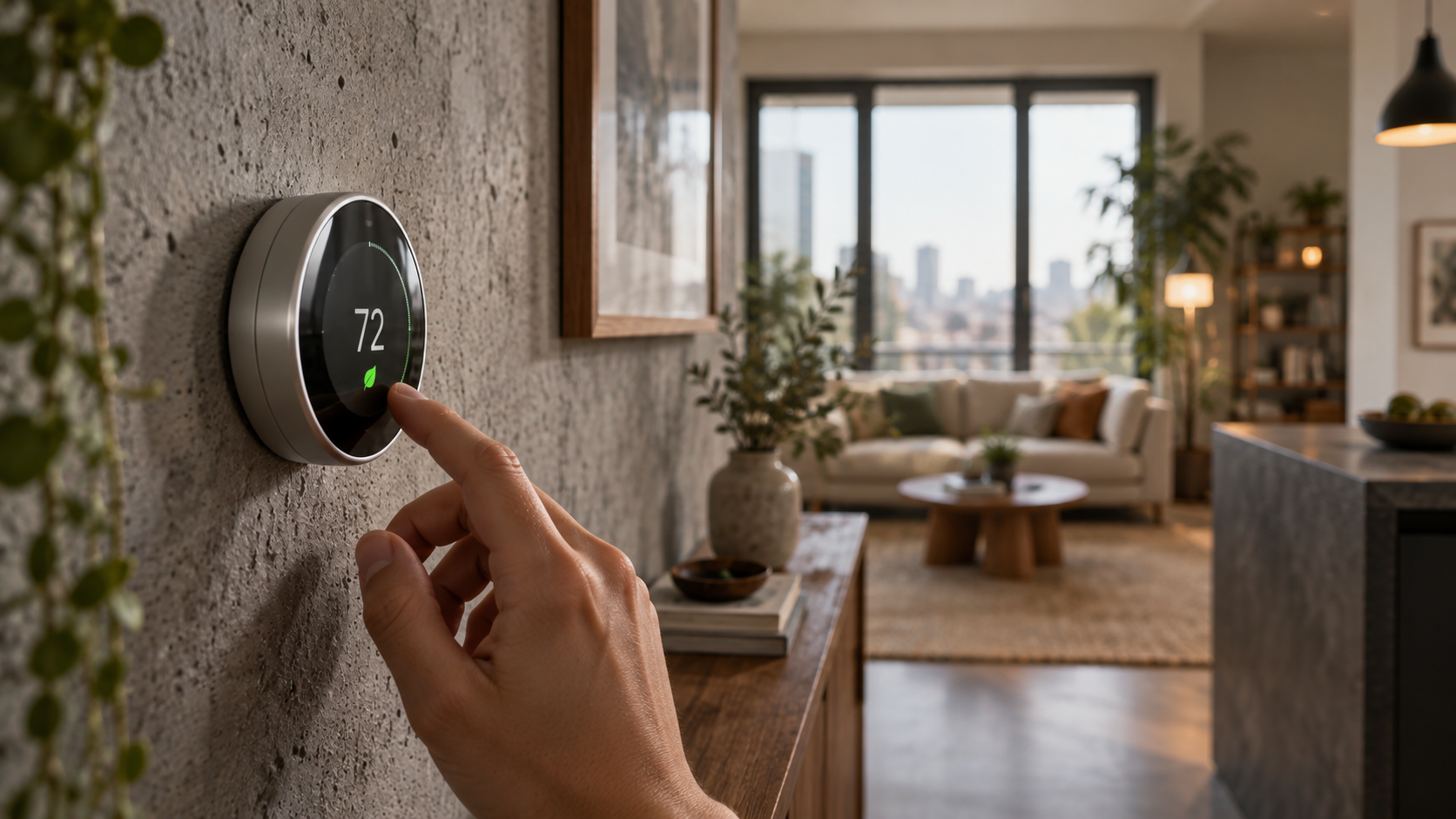
Water leaks are among the most inconvenient apartment problems because a small failure can affect more than one room—or more than one household. A dripping supply line, overflowing washing machine, leaking dishwasher, or slow under-sink seepage may damage cabinets, flooring, furniture, and personal belongings before it becomes obvious. For renters and apartment owners, the best smart leak detectors for apartments provide an affordable way to monitor vulnerable areas and receive an alert when moisture appears.
This guide explains what smart leak detectors do, how to compare them, where to install them, and which features matter in an apartment. It does not rank products by invented laboratory results or personal testing. Instead, the comparison methodology focuses on manufacturer documentation, installation requirements, alert options, sensor design, privacy considerations, compatibility, and practical apartment use. Product details can change, so check the current specifications and app requirements before purchasing.
What Is a Smart Leak Detector?
A smart leak detector is a connected sensor that detects water or unusually low temperatures and sends an alert through a phone app, hub, smart-home platform, or local alarm. Most models use metal contacts, a sensing cable, or a remote probe. When water bridges the contacts, the device sounds an alarm and may notify you remotely through Wi-Fi, Bluetooth, a dedicated hub, or another compatible network.
Some devices also monitor temperature and humidity. Temperature monitoring can help identify conditions that may contribute to frozen pipes, although a detector is not a substitute for adequate insulation, heating, or a professional inspection. A smart detector normally identifies water after it reaches the sensor. It does not prevent a pipe from failing, predict every leak, or automatically shut off the building’s water unless it is part of a compatible shutoff system.
Why Apartment Residents Benefit From Leak Detection
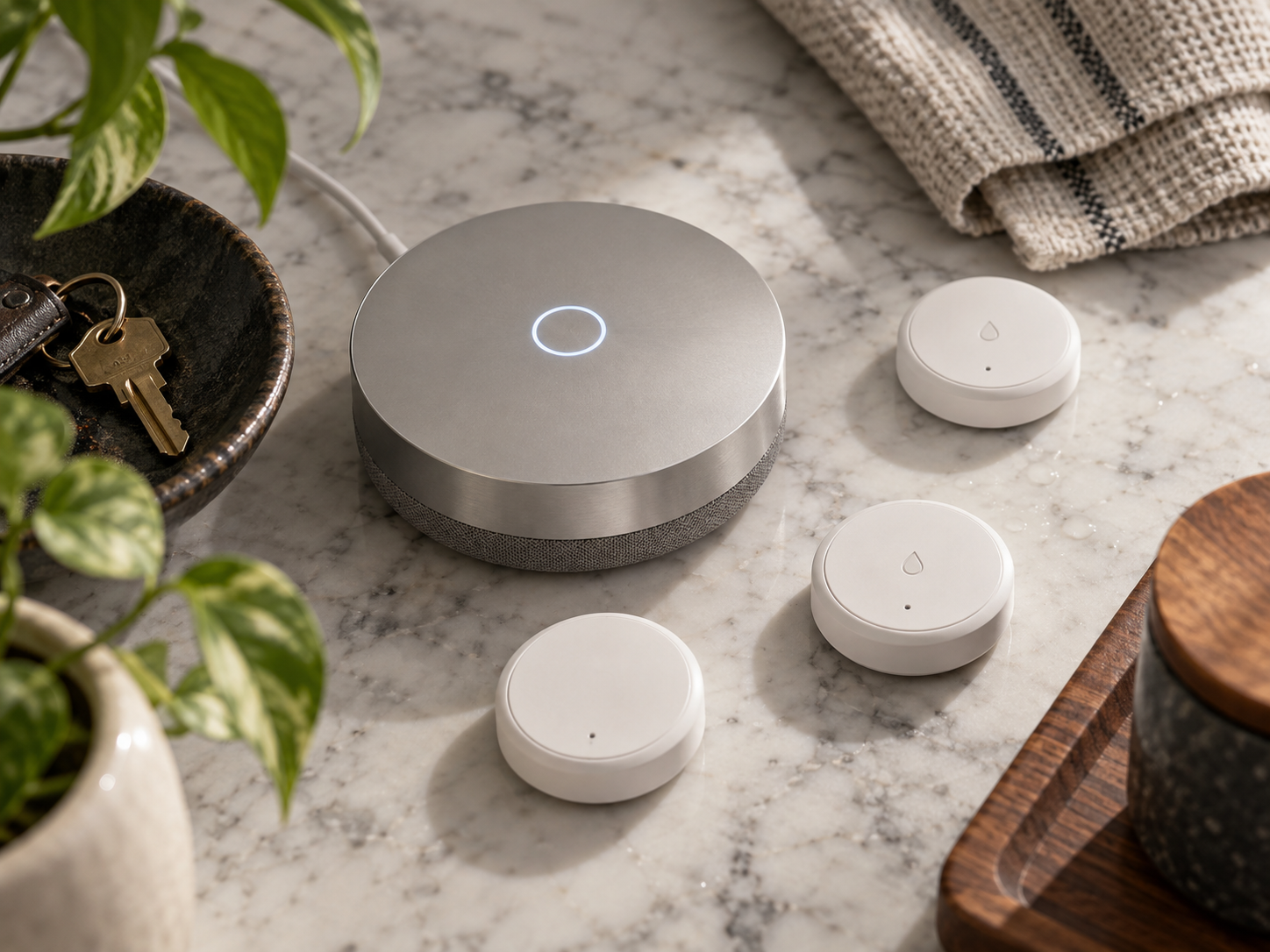
A detached homeowner may be able to install a whole-home automatic water shutoff at the main supply. Apartment residents usually have less control over building plumbing, and access to a unit’s main valve may be restricted. This makes localized detection especially useful.
- Early awareness: A loud local alarm can help when you are home, while app notifications may reach you when you are away.
- Protection for high-risk areas: Sensors can watch under sinks, near toilets, beside water heaters, behind refrigerators with ice makers, and near laundry equipment.
- Rental-friendly installation: Many units simply sit on the floor and require no drilling or plumbing modification.
- Evidence for communication: A time-stamped alert may help you promptly notify a landlord, property manager, or maintenance team, though it does not replace formal reporting procedures.
- Integration with a wider smart home: A leak alert can trigger compatible lights, a voice announcement, or another automation, depending on the platform.
Best Smart Leak Detector Features for Apartments
Reliable alert paths
Consider how the detector communicates. Wi-Fi models can often send alerts directly to a phone but may require good coverage in the installation area. Hub-based sensors can reduce the number of devices connected directly to your router, but they require an additional bridge and may stop working remotely if the hub loses power or internet access. Bluetooth-only models may be useful nearby but are less suitable when you need notifications while away.
Look for more than one alert type, such as push notifications, email, text-message support where available, and an audible siren. A local alarm is important if your phone is muted. Remote alerts are valuable, but they depend on power, internet access, app permissions, and a functioning cloud service.
Water sensing design
A basic point sensor detects moisture directly beneath the unit. This can be sufficient under a bathroom sink or beside a toilet. A model with a cable or remote probe can cover a longer edge, such as the length of a washing machine or dishwasher. Some cable designs allow the entire cable to act as the sensing area; others detect water only at a tip or at specified contacts. Read the product documentation before assuming that every part of a cable senses moisture.
Battery life and power-loss behavior
Battery-powered sensors are convenient for renters and locations without a nearby outlet. Check the battery type, whether batteries are replaceable, and whether the app reports low battery. Plug-in devices may provide continuous power but can be awkward near cabinets or floors where water is likely to appear. If a detector uses a hub, consider the power requirements of both the sensor and the hub.
Ask what happens during an internet or electricity outage. Some products continue to sound a local alarm but cannot send remote notifications. A backup battery in a hub or a cellular connection may improve resilience, but these features can add cost or require a subscription.
Temperature and humidity monitoring
Temperature alerts may be helpful in an apartment with exposed plumbing, a poorly insulated exterior wall, or a storage area that becomes cold. Humidity readings can offer context around bathroom ventilation or damp cabinets, but humidity is not the same as a leak. Treat environmental readings as supplementary information rather than proof that a plumbing problem exists.
Smart-home compatibility
Compatibility with Apple Home, Amazon Alexa, Google Home, Samsung SmartThings, or another platform can make alerts more visible. For example, a leak alert might turn on smart lighting or announce a warning through a compatible speaker. Integration can be useful in a minimalist apartment because it avoids adding a separate alarm panel, but compatibility lists and automation capabilities vary by model and region.
Do not assume that a platform integration supports every feature. A product may appear in an app while exposing only a limited status, such as whether the sensor is online. Check whether the system supports leak events, battery status, temperature data, and automations you actually want.
Comparison Methodology: How to Evaluate Products
To compare the best smart leak detectors for apartments, use a checklist rather than relying only on star ratings. Review the manufacturer’s current technical documentation for sensing method, connectivity, battery, operating conditions, alarm volume, subscription requirements, and warranty. Then compare independent guidance from established organizations. The U.S. Environmental Protection Agency’s WaterSense program provides general information about water efficiency and leak awareness, while Consumer Reports has published consumer guidance on leak detection and smart-home devices. These sources are useful for context, but they do not eliminate the need to verify current product specifications.
- Map the apartment: Identify every location containing a water supply, drain connection, appliance, or plumbing fixture.
- Decide how quickly you need an alert: If you travel frequently, prioritize remote notifications and service reliability.
- Check network coverage: Test Wi-Fi or hub communication near cabinets, bathrooms, and appliances.
- Choose the sensor shape: Use a compact point sensor for tight spaces and a cable or probe for wider coverage.
- Review ownership costs: Include hubs, replacement batteries, optional subscriptions, and any professional installation.
- Check privacy and account requirements: Understand what data the app collects and whether an account is mandatory.
- Confirm rental rules: Obtain permission before installing anything that requires drilling, adhesive, plumbing work, or access to shared systems.
Where to Install Leak Detectors in an Apartment
Kitchen
Place a sensor beneath the sink, especially near the shutoff valves, supply hoses, garbage disposal, and drain connections. If the apartment has a dishwasher, consider a sensor in the adjacent cabinet or on the floor beneath the appliance if it can be positioned safely without interfering with ventilation or movement. Refrigerators with ice makers and water dispensers are another potential location.
Bathroom
Install sensors near the toilet supply connection, under the vanity, beside a washing machine if one is located in the bathroom, and near any visible plumbing access panel. Keep the device accessible for testing and battery replacement. Do not place it where routine splashing from a shower or cleaning activity will create repeated false alarms.
Laundry area
Washing machines contain pressurized hoses and can release a large amount of water if a connection fails. A cable sensor may cover the area behind or beside the machine more effectively than a small point sensor. Never route a sensing cable where it can be crushed, exposed to moving parts, or create a trip hazard.
Water heater and utility spaces
If your apartment includes a water heater, a sensor near the base can provide useful warning. Follow building rules and keep the detector away from hot surfaces or areas where it could be damaged. In shared utility spaces, ask the property manager before installing a device.
Practical Installation and Testing Steps
- Read the installation instructions: Confirm the required app, hub, batteries, network band, and operating limits.
- Label each device: Name sensors by location, such as “Kitchen sink” or “Laundry floor,” so alerts are immediately understandable.
- Clean and dry the installation surface: Dust, grease, and standing water may affect placement or cause false alerts.
- Position the sensor at the lowest practical point: Water usually collects at low spots, but avoid drains or areas that are routinely wet.
- Set every alert option: Enable push notifications, audible alarms, low-battery warnings, and offline-device warnings when offered.
- Perform a controlled test: Use the manufacturer’s recommended test method or a small amount of water on the sensing contacts. Avoid soaking electronics unless the instructions specifically allow it.
- Test remote delivery: Confirm that an alert reaches your phone when you are away from the apartment.
- Document the response plan: Save your landlord’s emergency contact, building maintenance number, and the location of accessible shutoff valves.
- Inspect periodically: Check battery status, sensor position, network connection, and accumulated dust or corrosion.
Pros and Cons of Smart Leak Detectors
Advantages
- They can provide early warning without permanent plumbing changes.
- Many are small enough for apartments with limited storage and a minimalist interior.
- Remote notifications may reduce the time between a leak beginning and someone responding.
- Multiple sensors can be named and managed from one app.
- Temperature monitoring and smart-home automations may add useful context.
Limitations
- A sensor detects water only where it is installed; it cannot cover the entire apartment unless enough sensors are used.
- Remote alerts may fail during an internet outage, power loss, depleted battery, app problem, or cloud-service interruption.
- Most apartment-friendly detectors do not automatically shut off the water.
- Smart-home platforms and subscriptions can add complexity and ongoing expense.
- Incorrect placement can cause missed leaks or nuisance alarms.
- Access to shared plumbing, exterior walls, or building equipment may require landlord approval.
How Leak Detection Fits Into a Smart Apartment
Leak sensors work best as one layer of a broader smart-living plan. Smart lighting can turn on a clear visual warning, while a smart speaker may announce an alert. A smart home security system can place leak events alongside door, window, and smoke-related notifications, provided the systems are compatible. Smart thermostats can help maintain safe indoor temperatures, but they do not replace water detection.
Good organization also matters. Keep cleaning products and household goods off the floor near plumbing, leave access around shutoff valves, and avoid hiding sensors behind decorative furniture. Sustainable or eco-luxury materials, air purifiers, robot vacuums, and kitchen appliances can improve comfort, but none should obstruct inspection points or make a leak harder to notice. In a minimalist desk setup or smart bedroom, route cables neatly and keep connected devices away from potential water paths.
Concise Q&A
Do renters need permission to install a smart leak detector?
Usually, a battery-powered sensor that sits on the floor does not require building work, but lease terms vary. Ask before using adhesive, drilling, entering a utility room, or connecting to shared plumbing.
Can a leak detector shut off apartment water?
Most standalone sensors only detect moisture and send alerts. Automatic shutoff requires a compatible valve system and permission to modify plumbing, which is often controlled by the building.
Are Wi-Fi detectors better than hub-based sensors?
Neither is universally better. Wi-Fi can simplify setup, while a hub may improve battery efficiency or support several sensors. Compare coverage, outage behavior, account requirements, and total cost.
How many sensors should an apartment have?
Install at least one at each high-risk location rather than choosing a fixed number. Prioritize sinks, toilets, laundry appliances, dishwashers, refrigerators with water connections, and water heaters.
Will a detector prevent water damage?
No. It can shorten the time before you discover a leak, but prevention also depends on maintaining hoses and fixtures, knowing how to report an emergency, and having a suitable response plan.
Final Buying Checklist
The best smart leak detectors for apartments are not necessarily the models with the most features. The right choice has dependable sensing for the location, a communication method that works in your building, understandable alerts, manageable battery or subscription requirements, and installation that respects your lease. Before buying, identify the likely leak points, confirm network coverage, read the manufacturer’s specifications, and test the finished setup.
Safety and informational disclaimer: This article provides general information, not plumbing, legal, insurance, or emergency advice. If you find active water, electricity near water, a suspected burst pipe, or damage involving shared building systems, avoid unsafe contact and follow your building’s emergency procedure. Contact qualified maintenance or a licensed professional when required. Never modify apartment plumbing or electrical systems without appropriate permission and expertise.