Eco friendly home upgrades that save money are not limited to solar panels or major renovations. Many useful improvements involve reducing wasted electricity, water, cleaning supplies, and replacement purchases while making a home more comfortable and easier to maintain. In the smart home and living category, the most effective upgrades usually combine efficient equipment with sensible habits: automate what is routinely forgotten, measure energy use before buying more devices, and choose durable products that can be repaired or maintained.
This guide focuses on realistic upgrades for clean, organized, energy-conscious homes. It covers smart thermostats, lighting, appliance use, air quality, cleaning tools, security devices, furniture choices, and low-waste organization. Savings vary widely with climate, household routines, local utility rates, home condition, and the products being replaced, so treat any purchase as a household-specific decision rather than a guaranteed return.
What Are Eco Friendly Home Upgrades That Save Money?
Eco friendly home upgrades that save money are changes to a home, its appliances, or daily routines that lower resource use or reduce unnecessary replacement costs while maintaining a healthy, functional living space. They can range from a programmable heating schedule to reusable cleaning tools, efficient lighting, weather sealing, and devices that reveal avoidable standby power use.
The strongest upgrades tend to meet three conditions:
- They address a repeated source of waste, such as lights left on, heating an empty home, leaks, or disposable supplies.
- They are appropriately sized for the household and compatible with existing systems.
- They remain useful without requiring constant attention, complicated subscriptions, or frequent replacement.
A product is not automatically sustainable because it is marketed as “smart,” “green,” or “premium.” Manufacturing, batteries, cloud services, packaging, repairability, and eventual disposal also matter. The most sustainable option can sometimes be a low-tech repair, a better routine, or keeping an existing item in service longer.
Start With an Energy, Water, and Cleaning Baseline
Before replacing devices, identify where waste occurs. Check utility bills across different seasons, note rooms that feel drafty or overheated, and list appliances that run frequently. Look at what is repeatedly bought for cleaning, storage, air freshening, and home maintenance. A simple written baseline prevents buying smart products that solve a problem your household does not actually have.
Use Existing Data First
Many electricity and gas providers offer online usage histories. Some also provide interval data or optional home-energy tools. A utility bill cannot diagnose every issue, but seasonal patterns can indicate whether heating, cooling, laundry, water heating, or always-on electronics deserve closer attention.
The U.S. Environmental Protection Agency’s ENERGY STAR program publishes consumer guidance on efficient appliances, lighting, and home energy practices. The U.S. Department of Energy Energy Saver resource explains weatherization, heating and cooling, water heating, and appliance efficiency. These are useful starting points because they explain product categories and operating practices rather than relying only on retailer claims.
Prioritize Repairs Before New Gadgets
Fixing a dripping faucet, replacing worn weatherstripping, cleaning refrigerator door seals, maintaining HVAC filters as directed by the manufacturer, and correcting a poorly closing window may deliver more lasting value than adding another connected device. If a major appliance is malfunctioning, compare repair options with replacement carefully. A replacement can reduce operating use, but discarding a repairable appliance has environmental and financial costs.
Smart Thermostats and Energy-Conscious Heating and Cooling
Heating and cooling are often central to household energy planning. A smart thermostat can help when it is compatible with the home’s HVAC system and is programmed around real occupancy patterns. Features such as scheduling, remote adjustment, reminders, and temperature alerts can reduce the tendency to condition an empty home or forget an overnight setting.
How to Use a Smart Thermostat Well
- Confirm compatibility with the HVAC system, wiring, heat pump, or multi-zone setup before purchase.
- Set a practical routine for sleeping, working hours, and time away instead of changing settings constantly.
- Use moderate adjustments that preserve comfort and protect the home in cold or humid conditions.
- Review reports, if available, to understand patterns rather than treating them as exact diagnoses.
- Keep vents clear, maintain filters according to equipment guidance, and address drafts separately.
Pros: convenient scheduling, potential reduction in avoidable runtime, remote alerts, and better visibility into household patterns.
Cons: installation may require compatible wiring or professional help; learning features can be inaccurate in irregular households; cloud features may introduce privacy considerations; and a thermostat cannot compensate for poor insulation or failing equipment.
For homes with heat pumps, radiant systems, or complicated zoning, consult the equipment documentation or a qualified HVAC professional before changing control settings. Aggressive setbacks are not appropriate for every system.
Smart Lighting and a Lower-Waste Atmosphere
Efficient LED bulbs are often a straightforward lighting upgrade because they use less electricity than older lighting technologies and typically last longer. Smart lighting adds dimming, schedules, motion sensing, scene control, and remote operation. Those features are most useful in spaces where lights are routinely left on, such as hallways, laundry rooms, entryways, garages, and children’s rooms.
Choose Lighting Controls by Room
- Entryways and hallways: occupancy or motion controls can reduce unnecessary lighting while maintaining convenience.
- Living rooms: dimmable warm lighting can create an atmosphere without relying on several high-output lamps.
- Home offices: task lighting can illuminate a desk directly, reducing the need to brighten the whole room.
- Bedrooms: scheduled bedside lighting can support a calmer routine, but avoid overly bright or cool-toned light late at night if it disrupts sleep.
For a minimalist desk setup, choose one adjustable task lamp, route cables neatly, and use a switched power strip for peripherals that do not need to remain powered. Avoid buying multiple decorative smart lights merely because they can change color; the environmental advantage depends on replacing inefficient use, not adding extra devices.
Clean & Care Upgrades That Reduce Consumables
Clean living does not require a cabinet full of specialty bottles. Reducing duplicate supplies, choosing concentrated products where appropriate, and using durable tools can make cleaning simpler while lowering packaging and replacement waste.
Build a Practical Low-Waste Cleaning Kit
A compact kit may include washable microfiber cloths, a reusable mop pad, a durable scrub brush with replaceable heads where available, a vacuum with maintainable filters, and cleaning products selected for the surfaces in your home. Follow label instructions: using extra product does not necessarily improve results and can leave residue.
For safety, never mix cleaning products unless the manufacturer specifically states that doing so is safe. In particular, combinations involving bleach, ammonia, acids, or drain cleaners can create hazardous fumes or reactions. Keep products in their original labeled containers and store them away from children and pets.
Robot Vacuums and Cleaners: Helpful, Not Essential
A robot vacuum can support regular floor care in homes with open layouts, pet hair, or frequent tracked-in debris. It may help extend the interval between deeper cleaning sessions when its brushes, sensors, and filters are maintained. Models with mapping can avoid some obstacles, while simpler models may be sufficient for smaller uncluttered areas.
Potential advantages: consistent light cleaning, scheduled operation, reduced dust buildup on hard floors, and convenience for people with busy routines or limited mobility.
Potential drawbacks: battery replacement needs, consumable filters and brushes, difficulty with cords or clutter, noise, privacy concerns for camera-equipped models, and limited performance on deep carpet cleaning. A robot vacuum does not eliminate the need for periodic manual cleaning, edge work, or upholstery care.
Before purchasing, compare replacement-part availability, battery service options, local repair support, mapping features, and the manufacturer’s privacy policy. A repairable conventional vacuum can be the lower-waste choice if it already works well.
Kitchen Appliances and Organization for Less Waste
The kitchen offers many opportunities to reduce food waste, unnecessary energy use, and duplicate purchases. Start with organization before adding appliances. Use clear zones for pantry staples, leftovers, produce, and cleaning supplies. Place foods that need to be used soon at eye level, label leftovers with a date, and keep a simple list of freezer contents.
Smarter Appliance Habits
- Run dishwashers and washing machines with suitable full loads, following the appliance manual.
- Use efficient cycles when they meet cleaning needs; longer cycles can sometimes use less energy or water because they rely on lower temperatures and extended soaking.
- Keep refrigerator coils, seals, and interior airflow areas maintained according to manufacturer guidance.
- Choose countertop appliances only when they replace a less efficient or less practical habit, not as duplicate equipment.
- Consider induction cooking during a planned replacement if it suits your cookware, electrical capacity, and cooking style.
Smart plugs can be useful for monitoring selected plug-in appliances, but they should not be used with equipment that the manufacturer advises against controlling this way. Avoid using a smart plug to cycle power to refrigerators, medical equipment, security systems, or devices that need uninterrupted operation.
Air Purifiers, Home Wellness, and Healthy Indoor Air
Air purifiers can be useful in specific circumstances, such as wildfire smoke events, outdoor pollution, allergies, or localized particle concerns. However, they are not universal solutions for odors, moisture problems, mold, gas appliances, or poor ventilation. The most effective approach often begins with source control: avoid indoor smoking, use kitchen exhaust ventilation when cooking, address leaks promptly, and follow building and appliance safety guidance.
When comparing portable air purifiers, look for clear room-size guidance, filter replacement availability, sound levels, energy use information, and whether the product avoids ozone-generating features. The U.S. Environmental Protection Agency’s guidance on air cleaners and filters explains that portable air cleaners can reduce certain airborne particles but do not remove all indoor pollutants.
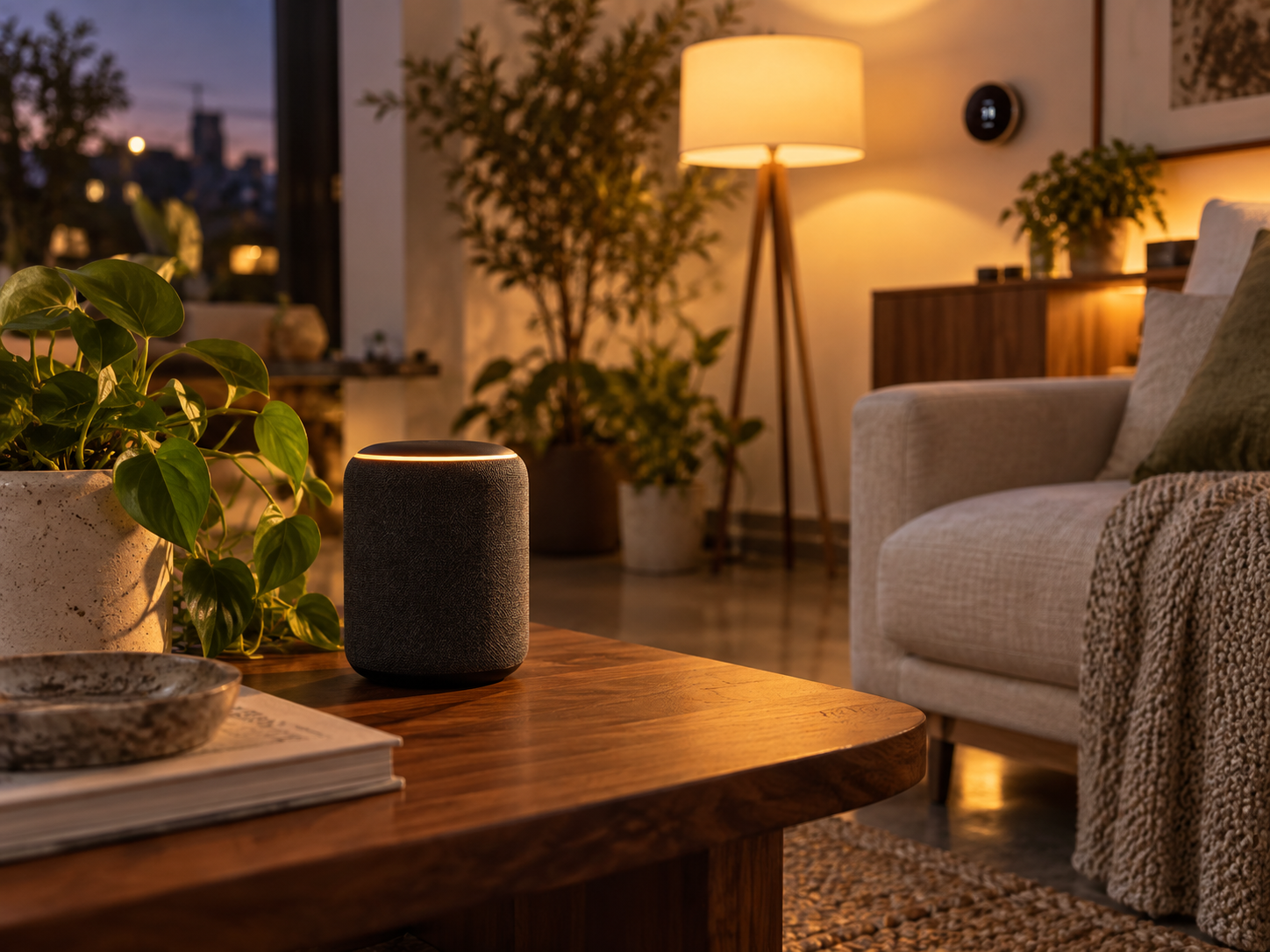
Smart air-quality monitors can reveal trends in particles, humidity, or carbon dioxide depending on the sensor, but consumer sensors have limitations. Use them as prompts to investigate ventilation, filtration, cooking practices, or moisture—not as medical diagnostic tools. If there is suspected mold, combustion risk, persistent respiratory irritation, or a carbon monoxide alarm, seek appropriate qualified assistance.
Eco-Luxury Goods, Furniture, and Durable Decor
Eco-luxury sustainable goods should be judged by materials, durability, repairability, and transparent sourcing rather than appearance alone. A well-made wood table, washable wool rug, recycled-metal fixture, or timeless upholstered chair may be a reasonable long-term purchase if it is truly needed and can be maintained. Conversely, frequent decor turnover creates waste even when individual products have eco-oriented labels.
Questions to Ask Before Buying Furniture or Decor
- Is the item made from durable, repairable materials?
- Can cushions, covers, hardware, or components be replaced?
- Does the seller provide meaningful material and care information?
- Will the design still fit the room and household needs after trends change?
- Could a secondhand, refurbished, refinished, or locally made option meet the same need?
In bedrooms, prioritize a supportive sleep environment over unnecessary gadgets. Blackout shades, breathable bedding, adjustable bedside lighting, and a quiet fan may be more useful than connected devices. Smart bedroom gadgets can add convenience, but turn off microphones, cameras, or data sharing features that are not needed.
Smart Home Security Without Unnecessary Waste or Risk
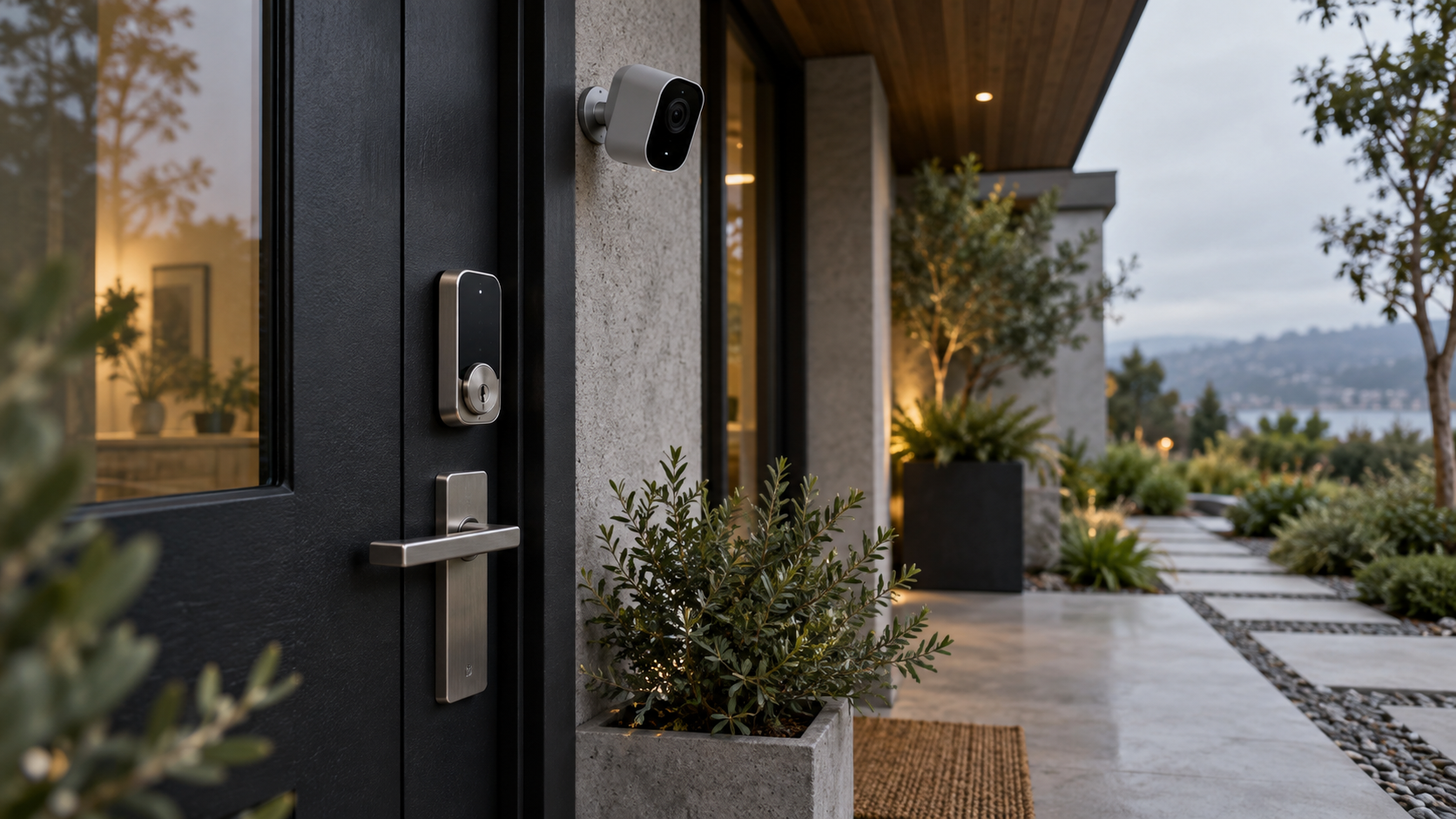
Smart home security systems can improve awareness through door and window sensors, cameras, video doorbells, lighting automation, and water-leak alerts. From an eco-friendly perspective, the best system is scaled to actual risks. A simple leak sensor near a water heater, washing machine, dishwasher, or sink can be more practical than adding numerous battery-powered devices with overlapping functions.
Security devices also require responsible setup. Use unique passwords, enable multi-factor authentication where available, install firmware updates, and review who can access recordings or alerts. Consider wired options where practical to reduce battery replacement, but only if installation is safe and appropriate for the property.
Camera placement deserves special care. Avoid recording areas where neighbors or visitors reasonably expect privacy, and follow local laws, lease terms, and community rules. Security technology can deter or document some events, but it cannot guarantee prevention.
A Step-by-Step Upgrade Plan
- List recurring waste: identify high-use rooms, drafts, cleaning supplies, food waste, and devices left on.
- Maintain what you own: clean filters, repair leaks, check seals, organize storage, and update device settings.
- Choose one utility-focused upgrade: consider LED lighting, weather sealing, a thermostat schedule, or a leak sensor.
- Choose one clean-and-care upgrade: replace disposable tools gradually with washable, durable alternatives.
- Evaluate after use: review bills, supply purchases, and household convenience over several billing cycles or seasons.
- Avoid device clutter: do not add connected products that duplicate existing functions or require burdensome maintenance.
Limitations and Trade-Offs
Not every green upgrade produces direct financial savings. Some purchases prioritize comfort, accessibility, indoor air management, aesthetics, or resilience instead. Smart devices may depend on Wi-Fi, vendor accounts, apps, batteries, or subscriptions. A product can also become less useful if the manufacturer ends software support. Review warranty terms, replacement parts, privacy policies, and offline functionality before buying.
Renters may need landlord permission for thermostats, weather sealing, appliance changes, cameras, or permanent fixtures. Apartment residents may also have limited control over central heating, ventilation, insulation, and water systems. In these situations, portable lighting, removable draft solutions, low-waste cleaning tools, organization, and careful appliance habits are often more practical.
Concise Q&A
Which eco friendly home upgrades should come first?
Start with maintenance, efficient lighting, weather sealing, sensible thermostat scheduling, and reusable cleaning tools. These commonly address recurring waste without requiring a major renovation.
Do smart home devices always reduce energy use?
No. They can reduce waste when they replace inefficient habits, but devices also use electricity and may encourage extra consumption. Automation should be purposeful and reviewed periodically.
Are air purifiers a substitute for cleaning or ventilation?
No. They may help reduce certain airborne particles, but source control, ventilation, moisture management, and regular cleaning remain important.
How can I avoid greenwashing when buying home goods?
Look for specific material, durability, repair, warranty, and care information. Be cautious of vague environmental claims that are not supported by clear documentation.
Is a robot vacuum an eco-friendly purchase?
It can be useful if it replaces disposable cleaning products or helps maintain floors with a long service life. Consider battery life, repairability, replacement parts, and whether a conventional vacuum already meets your needs.
Safety and Information Disclaimer
This article provides general educational information, not financial, medical, electrical, HVAC, or building-safety advice. Costs, savings, compatibility, and indoor-air outcomes differ by home and location. Follow product manuals and local codes, use qualified professionals for electrical, gas, HVAC, mold, or structural concerns, and seek medical guidance for health symptoms or persistent indoor-air concerns.