
Smart Thermostat Energy Credit: 2026 Rebates, Tax Rules, and Design-Smart Picks
A smart thermostat energy credit sounds simple: buy a thermostat, file a form, get money back. In real homes, it is more specific. Most shoppers will find the best savings through utility rebates, demand-response programs, and bundle discounts tied to heat pumps or efficient HVAC upgrades. A standalone smart thermostat is usually not a federal tax credit item by itself, but it can still lower the net cost of a cleaner, better-looking climate setup.
For design-conscious homes, the point is not only shaving dollars off a bill. The thermostat sits on a wall you see every day. A bulky beige control can make a polished hallway look dated, while a clean Nest, ecobee, Amazon, Honeywell Home, or Sensi unit can read more like a small wall object than an appliance. The right pick should suit your energy program, your HVAC wiring, and the visual language of the room.
“The best smart thermostat energy credit is the one you can actually claim without turning your wall into a tech display.”
Definition: What a Smart Thermostat Energy Credit Means
A smart thermostat energy credit is a broad consumer phrase for money back connected to a qualified smart thermostat purchase or installation. It may refer to a utility rebate, an instant discount at checkout, a demand-response enrollment bonus, a manufacturer promotion, or a tax credit that applies to a larger HVAC project. The exact program depends on your ZIP code, utility, equipment, and installation date.
The important distinction: a thermostat rebate is not always a tax credit. A utility rebate might pay $25 to $125 for an ENERGY STAR certified thermostat. A demand-response program may add another $25 to $75 for allowing small temperature adjustments during peak demand events. A federal home energy tax credit usually relates to qualified heat pumps, insulation, electrical panels, audits, or other eligible upgrades, not every thermostat sitting alone in a cart.
Quick Verdict
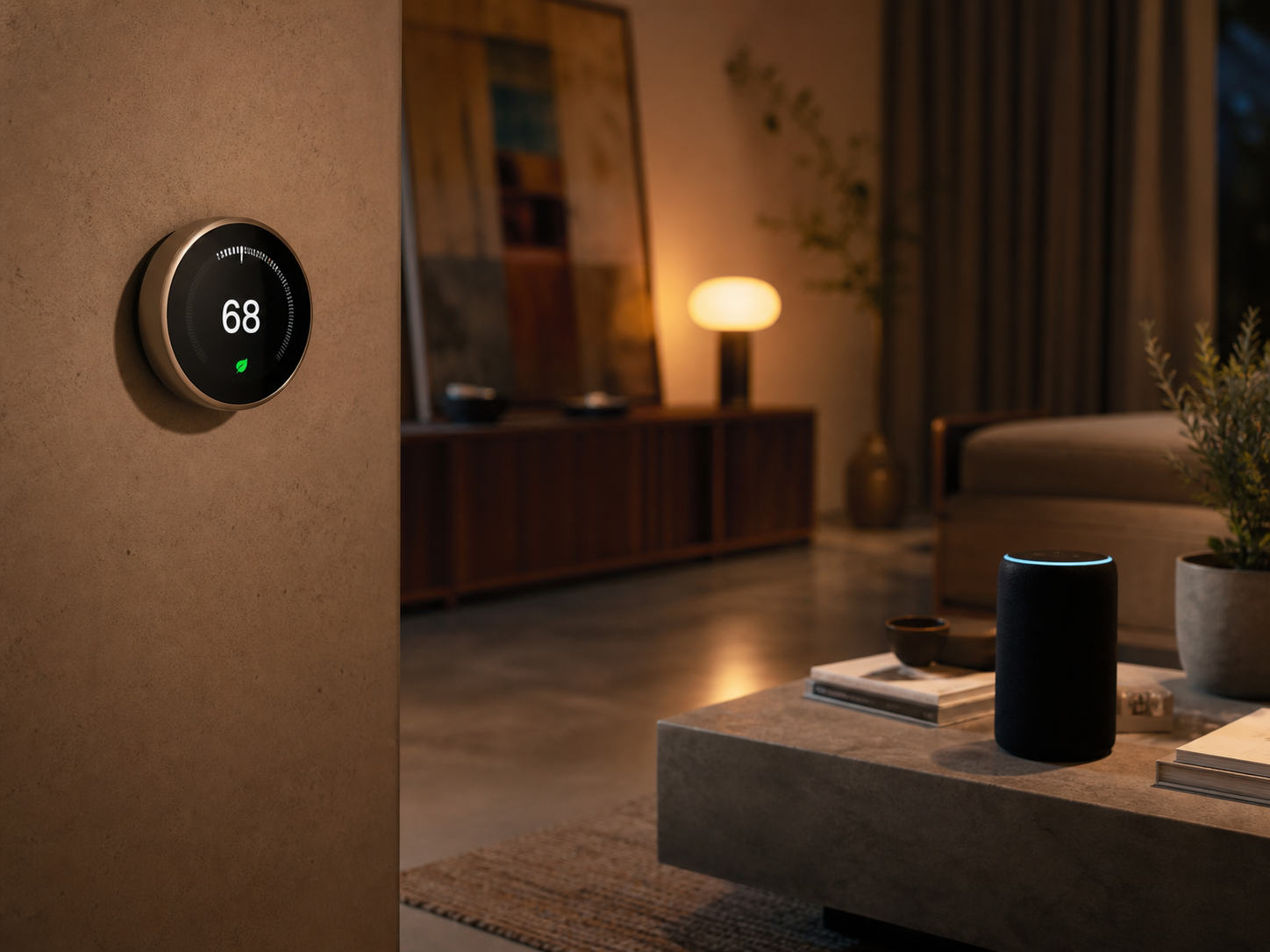
If you want the cleanest all-around choice, start with the Google Nest Learning Thermostat, about $279.99 at the Google Store, Best Buy, Amazon, and Home Depot. It looks refined, works with many homes, and is often listed by utilities for rebate checks. If you want room-sensor control and air-quality extras, the ecobee Smart Thermostat Premium, about $249.99 at ecobee, Best Buy, Amazon, and Lowe’s, is the stronger system pick. If the rebate is the whole point, the Amazon Smart Thermostat, about $79.99 at Amazon, can drop close to free in regions with generous utility offers.
Comparison Table: Smart Thermostats and Rebate Fit
| Model | Typical Price | Where to Buy | Best For | Energy Credit Notes |
|---|---|---|---|---|
| Google Nest Learning Thermostat | $279.99 | Google Store, Best Buy, Amazon, Home Depot | Design-led main living areas | Commonly appears in utility rebate catalogs |
| Google Nest Thermostat | $129.99 | Google Store, Amazon, Walmart, Lowe’s | Budget-friendly modern homes | Often eligible when ENERGY STAR model rules are met |
| ecobee Smart Thermostat Premium | $249.99 | ecobee, Best Buy, Amazon, Lowe’s | Homes using room sensors | Strong rebate visibility through many utilities |
| ecobee Smart Thermostat Enhanced | $189.99 | ecobee, Home Depot, Amazon | Simple sensor-ready control | Good middle price before rebates |
| Amazon Smart Thermostat | $79.99 | Amazon | Lowest upfront cost | Can become very cheap with utility discounts |
| Honeywell Home T9 | $199.99 | Resideo, Home Depot, Amazon | Room-by-room comfort | Check utility lists for exact model numbers |
| Sensi Touch 2 | $209.99 | Sensi, Lowe’s, Amazon | Traditional HVAC-friendly installs | Often accepted by programs that list ENERGY STAR models |
How to Check Eligibility Before Buying
Start with your electric or gas utility website. Search for your utility name plus smart thermostat rebate. Enter your ZIP code, account type, and HVAC fuel. Many utilities use marketplace pages that show instant discounts before checkout. Others require you to buy first, upload a receipt, and wait for a prepaid card or bill credit.
Next, confirm the exact model. A family name is not enough. One Nest or ecobee package may qualify while an older or region-specific SKU does not. Look for ENERGY STAR certification, demand-response participation terms, and whether professional installation is required. Renters should also check lease rules before replacing a wall control.
Finally, keep the receipt, product box photo, serial number, and installation date. Rebates are often denied for missing serial numbers or purchases from unsupported sellers. Buying from Amazon, Best Buy, Home Depot, Lowe’s, the Google Store, ecobee, Resideo, or Sensi gives you cleaner documentation than a marketplace listing with unclear model details.
Design Notes for Visible Walls
The thermostat location matters. In many homes it lands in a hallway, dining room, or open-plan living area. The Google Nest Learning Thermostat has the most object-like finish, with a round face that suits plaster, painted millwork, stone, and limewash. The standard Nest Thermostat is flatter and simpler, better for renters or small apartments where the wall should stay quiet.
ecobee units are more screen-like. They suit kitchens, mudrooms, family rooms, and utility-adjacent spaces where a small dashboard feels appropriate. The Premium model’s air-quality readout can be useful in homes with pets, fireplaces, or open cooking zones, although it also makes the device feel more technical. Amazon’s thermostat is intentionally plain. That is a strength in budget renovations where you want the control to recede.
Use a trim plate only when needed to cover paint shadows or old screw holes. In a newly painted room, skipping the plate usually looks cleaner. If you must use one, match it to wall color rather than treating it as a feature.
Where the Savings Actually Come From
A smart thermostat energy credit lowers the purchase price, but monthly savings depend on behavior. The value comes from schedules, occupancy sensing, remote control, and better temperature setbacks. ENERGY STAR notes that certified smart thermostats can reduce heating and cooling use, but the exact amount varies by home, climate, insulation, HVAC type, and how disciplined the previous schedule was.
Demand-response programs add another layer. During peak grid hours, your utility may adjust the setpoint by a few degrees. You can usually opt out of an event, but frequent opt-outs may reduce rewards. This is where room comfort and interior planning overlap: ceiling fans, lined curtains, cellular shades, rugs, and better door sweeps make small setpoint changes easier to live with.
Buying Strategy by Home Type
For apartments, choose a thermostat only after checking wiring and landlord approval. The Amazon Smart Thermostat or Nest Thermostat can be sensible if the utility rebate is strong and the install is reversible. For single-family homes with uneven bedrooms, ecobee Premium or Enhanced with SmartSensors is often worth the higher price. Place sensors in the bedroom and main living area, not beside windows or electronics.
For design-heavy renovations, the Nest Learning Thermostat remains the most attractive front-room option. It pairs well with warm white walls, oak, walnut, travertine, brushed nickel, and matte black hardware. For older HVAC systems, Sensi and Honeywell Home models deserve attention because their compatibility tools are clear and their controls feel familiar to many installers.
Q&A
Does a smart thermostat qualify for a federal tax credit?
Usually not by itself. Some home energy tax credits apply to larger qualified upgrades, such as certain heat pumps or electrical work. A thermostat may be part of the project, but shoppers should verify IRS rules and talk with a tax professional before counting it as a federal credit.
What is the easiest smart thermostat energy credit to claim?
An instant utility marketplace discount is usually easiest because the price drops before checkout. Mail-in rebates can still be worthwhile, but they require receipts, serial numbers, and deadline tracking.
Can renters use a smart thermostat rebate?
Sometimes. Renters need landlord approval, compatible wiring, and a program that allows tenant applications. Keep the original thermostat so it can be reinstalled when moving out.
Which thermostat looks best in a designed room?
The Nest Learning Thermostat is the most decorative object. ecobee Premium is better when room sensors and data matter more than a subtle wall profile. Amazon’s model is the quiet budget pick.
Is the cheapest thermostat always the best rebate deal?
No. A low price can win in a small apartment, but homes with uneven temperatures may save more comfort and energy with room sensors. The best deal is the lowest net cost for the way your home actually heats and cools.
Bottom Line
The smart thermostat energy credit story is really a paperwork story first and a product story second. Check your utility list, confirm the model number, then choose the thermostat that suits the room. For most homes, Nest and ecobee offer the strongest mix of rebate visibility, design, and daily control. For pure price, Amazon is hard to ignore. The best outcome is a wall control that looks intentional, costs less after incentives, and quietly trims energy waste without asking the house to feel like a lab.