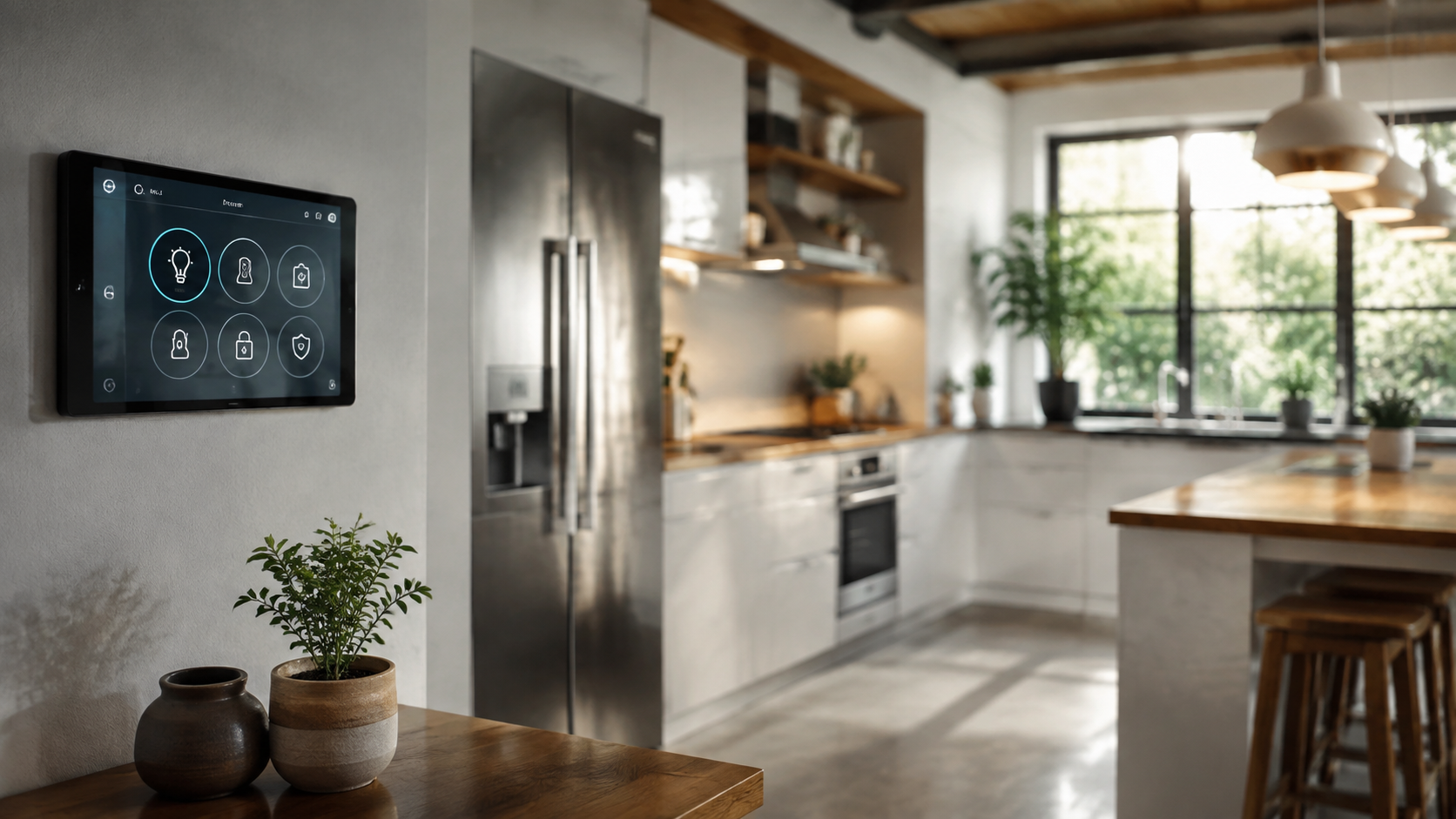
Good bedroom lighting should help your body recognize when it is time to wind down, support practical tasks, and make the room feel comfortable. A single bright ceiling fixture rarely does all three jobs well. With smart bulbs, dimmers, sensors, and thoughtful placement, you can create lighting scenes that follow your evening routine instead of disrupting it.
These smart bedroom lighting ideas for better sleep focus on useful automation rather than complicated technology. The goal is a bedroom that becomes brighter and more functional in the morning, gradually softer at night, and dark enough for restful sleep. Lighting can also work alongside smart thermostats, air purifiers, security devices, and carefully chosen furniture to create a healthier and more efficient room.
Why Bedroom Lighting Matters for Sleep
Light is one of the environmental signals that influences the body’s sleep-wake rhythm. Bright light late in the evening can make it harder for some people to feel sleepy, especially when it is cool-toned and aimed directly at the eyes. Dimmer, warmer light is generally more suitable for relaxing activities such as reading, stretching, or preparing for bed.
Smart lighting does not replace good sleep habits, but it can make them easier to follow. A scheduled scene can lower brightness at a set time, switch off bedside lamps after you leave the room, or provide a gentle morning glow. These small changes remove the need to reach for a phone or walk across a dark room to adjust a switch.
Build a Layered Smart Lighting Plan
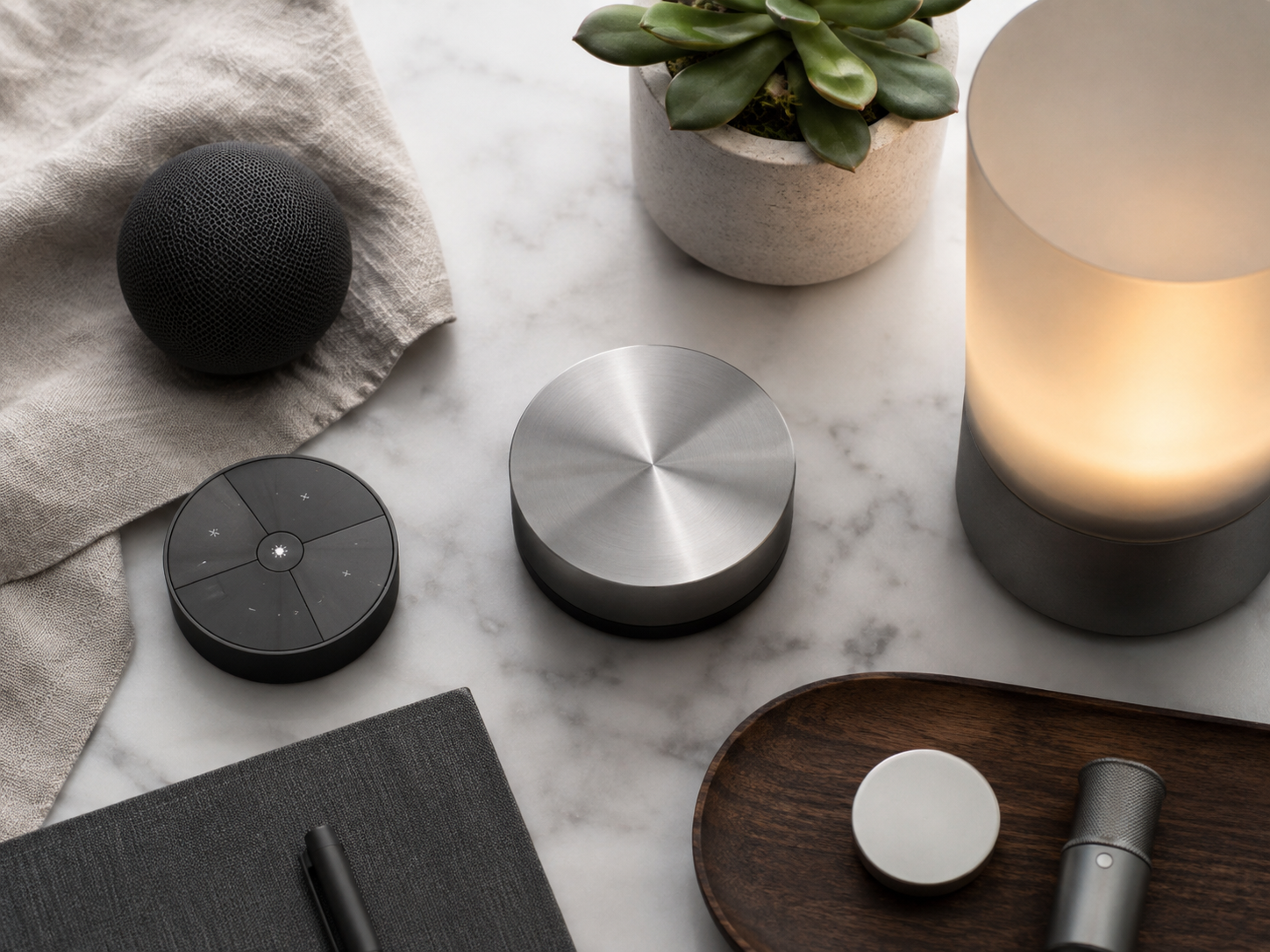
The most comfortable bedroom lighting usually combines several layers. Each layer serves a different purpose, and smart controls allow you to adjust them independently.
Ambient lighting for general visibility
Ambient lighting is the room’s main source of illumination. It may come from a ceiling fixture, recessed lights, a flush-mount fitting, or indirect light reflected from the ceiling. For a bedroom, choose a fixture with adjustable brightness and avoid placing an exposed, high-output bulb where it shines directly into your eyes while you are in bed.
A smart ceiling bulb or smart dimmer can create a “day” scene for dressing and cleaning, a softer “evening” scene for relaxing, and a low-brightness “night” setting for moving around safely. If you use a smart dimmer, confirm that your existing bulbs are compatible. Some LED bulbs flicker, buzz, or fail to dim correctly when paired with an unsuitable control.
Task lighting for reading and dressing
Task lighting provides focused illumination for specific activities. Bedside lamps, wall-mounted reading lights, and wardrobe lights are common examples. Adjustable fixtures are particularly useful because they direct light toward a book or clothing without flooding the entire room.
Place reading lights so that the beam falls on the page rather than into your partner’s face. A lamp with a flexible neck or an adjustable wall arm can work well. Smart bulbs can add dimming and scheduling, but a physical button or touch control is still valuable when you do not want to use an app at bedtime.
Accent lighting for atmosphere
Accent lighting shapes the room’s atmosphere. LED strips behind a headboard, under a floating shelf, or beneath a vanity can provide a soft glow without becoming the main source of light. Use a diffuser or concealed placement to reduce visible hotspots and glare.
For sleep-friendly use, warm white light is often more comfortable than bright blue-white light in the late evening. Color-changing bulbs can be fun, but saturated colors are not necessary for a restful bedroom. A simple warm-white scene is easier to use every night and usually fits minimalist home decor better.
Use Color Temperature With Intention
Color temperature describes whether white light appears warm and yellowish or cool and bluish. Many smart bulbs allow you to adjust it from a warm setting to a cooler daylight setting. During the day, a cooler white can make a room feel alert and practical. In the evening, a warmer white can support a calmer atmosphere.
Rather than relying on a dramatic color change, set a gradual schedule. For example, the bedroom can use a neutral or cooler setting in the morning, a comfortable middle range during the afternoon, and a warm, dim setting during the hour before bed. The exact preference varies by person, so use comfort and glare as your guide.
Also consider the light from screens. A perfectly tuned lamp will have limited value if a bright phone or tablet remains close to your face late at night. Keep screens dim, use built-in night settings where helpful, and consider charging devices outside the bed area.
Create Useful Smart Lighting Scenes
Scenes are preset combinations of brightness, color temperature, and device status. A few well-designed scenes are more practical than a long list that you never use.
Morning start scene
Set bedside or ceiling lights to brighten gradually around your normal wake time. A slow increase is less abrupt than a bright lamp switching on at full power. If your schedule changes, use a routine that follows your alarm or weekday and weekend settings.
Pair the morning scene with open curtains when possible. Natural daylight can make the room feel more pleasant and reduce the need for electric lighting. Smart motorized shades can help, but manual curtains are a simple and lower-cost solution.
Evening wind-down scene
Schedule the main ceiling light to dim before you intend to sleep. Keep a bedside lamp or indirect accent light available for reading and personal routines. This arrangement lets you stay comfortable without turning on a bright overhead fixture.
A good wind-down scene should not leave the room dangerously dark. Keep enough low-level illumination for walking, especially around furniture, charging cables, and floor-level obstacles.
Night navigation scene
Motion-activated lighting can be useful when you need to get out of bed. A low-level light near the floor, hallway, or bathroom route can reduce the need to switch on a bright lamp. Use a short activation period and low brightness so the light does not fully wake you.
Motion sensors should be positioned carefully. A sensor aimed toward the bed may activate whenever you turn over, while one facing the doorway may respond only when you stand up. Test the placement for several nights and adjust the sensitivity if needed.
Reading scene
A reading scene should illuminate the page while keeping the rest of the room subdued. Use a focused bedside light with adjustable brightness. If two people share the room, separate controls on each side of the bed can prevent one person from disturbing the other.
Choose Smart Controls That Remain Easy to Use
App control is convenient, but the best bedroom setup includes at least one physical control. A wall switch, wireless button, or lamp control allows quick adjustments without opening a phone. It also helps visitors and household members use the room without learning a complicated automation system.
Voice control can be useful for turning off lights after you are already in bed. However, privacy preferences, network reliability, and accidental activation should be considered. Avoid placing a voice assistant directly beside the bed if indicator lights, microphones, or notifications interfere with your routine.
When selecting devices, check whether they work with your existing smart home platform. A compatible hub or standard can simplify control across bulbs, switches, shades, thermostats, and security equipment. If a device requires an internet connection for every basic function, confirm what happens during a network outage.
Coordinate Lighting With Smart Home Security
Bedroom lighting can support security without making the room feel like a monitored space. A vacation routine can turn selected lamps on and off at varied times, making the home appear occupied. Keep the pattern natural rather than activating every light at once.
Door and window sensors can trigger a hallway or entry light when someone arrives home. A smart doorbell, outdoor lighting, or security camera may also be part of the wider system. Use separate permissions for sensitive devices, and secure your smart home account with a strong, unique password and available multi-factor authentication.
Do not rely on bedroom lighting as a substitute for locks, alarms, or safe entry habits. Automation should support security, not create a false sense of protection.
Connect Lighting With Temperature and Air Quality
A comfortable sleep environment involves more than light. A smart thermostat can lower or raise the temperature according to your schedule, while an air purifier can run during periods when the room needs additional filtration. These devices can share routines with bedroom lights, but avoid creating too many simultaneous alerts or sounds.
For example, an evening routine might dim the lights, adjust the thermostat to your preferred sleeping temperature, and set the air purifier to a quiet mode. In the morning, lights can brighten while the thermostat returns to a daytime setting. Check manufacturer guidance for placement, filter maintenance, and safe operation. Smart controls do not compensate for blocked vents, dirty filters, or poor airflow.
Make Smart Lighting Fit the Furniture and Decor
Lighting works best when it is planned with the room’s furniture. Bedside tables should have enough surface space for a lamp, book, and charging equipment without creating cable clutter. Wall-mounted lights can free up small nightstands, while a slim floor lamp can add height beside a dresser or reading chair.
Choose finishes that complement the bedroom rather than treating smart devices as visual distractions. Warm metal, ceramic, wood, linen, and frosted glass can soften the technical appearance of bulbs and sensors. Conceal LED strips behind furniture edges and use cable channels where wires cannot be routed inside the wall.
A minimalist bedroom benefits from fewer, better-placed fixtures. The same principle applies to a minimalist desk setup in a nearby workspace: use task lighting for work, keep it away from the sleeping zone when possible, and schedule brighter desk lights to switch off before bedtime.
Consider Energy Use and Sustainable Materials
LED lighting generally uses less electricity than older incandescent alternatives and produces less heat. Smart scheduling can prevent lights from being left on, but automation should be simple enough to maintain. A scene that fails because of a disconnected device is not useful if nobody checks it.
Look for durable fixtures, replaceable components where available, and packaging or materials that match your sustainability priorities. Eco-luxury products can combine long-lasting construction with natural finishes, but a premium price does not automatically guarantee better environmental performance. Check repair options, warranty terms, energy labeling, and the manufacturer’s approach to replacement parts.
Dispose of bulbs and electronic controls according to local recycling guidance. Some smart bulbs contain electronic components that should not be placed in ordinary household waste.
Keep the Bedroom Free of Unnecessary Automation
More devices do not always create a better sleep environment. A smart speaker with bright status lights, a motorized gadget that makes noise, or frequent notifications can work against your goal. Disable nonessential alerts and cover or turn off indicator lights if the manufacturer allows it.
Smart bedroom gadgets should solve a real problem. Useful options may include a quiet sunrise lamp, a contact sensor for a wardrobe light, a dimmable bedside bulb, or a temperature sensor that improves thermostat control. Avoid buying a device simply because it can be connected to an app.
Other home appliances also affect bedroom comfort. Robot vacuums can reduce dust in the room when scheduled outside sleeping hours, while kitchen appliances and organization systems can help keep household routines from spilling into the bedroom. The wider lesson is consistent: automation should reduce friction and support a calmer home.
Safety and Reliability Checks
- Use bulbs and fixtures within their stated wattage, voltage, and enclosure limits.
- Do not cover lamps with fabric or other materials that are not designed for that fixture.
- Keep cords away from walking paths and secure loose cables near the bed.
- Test smart dimmers with the exact bulbs you plan to install.
- Keep a manual way to switch off essential lights if the network or app fails.
- Update device software and review account permissions periodically.
- Use night lights with enough visibility for safe movement, but avoid placing bright sources at eye level.
Simple Setup Plan
Start by observing how you use the bedroom for several evenings. Identify moments when the overhead light feels too bright, when reading light bothers another person, or when you need to cross the room in darkness. Then improve one layer at a time.
- Replace the main bulb or fixture with a dimmable, compatible option.
- Add focused bedside lighting for reading and personal tasks.
- Install a low-level night light or motion sensor along the bathroom route.
- Create morning, evening, reading, and night scenes.
- Connect the lighting routine to the thermostat or air purifier only if the combined automation remains reliable.
- Review the setup after a week and remove any feature that causes noise, glare, or unnecessary phone use.
Q&A: Smart Bedroom Lighting and Better Sleep
What color light is best before bed?
A warm, dim white light is generally a comfortable choice for the hour before sleep. Personal preference, brightness, glare, and distance from the light source also matter.
Do smart lights improve sleep on their own?
No. Smart lights can support a consistent wind-down routine, but sleep also depends on factors such as schedule, noise, temperature, screens, and individual health.
Are motion-activated lights suitable for bedrooms?
They can be useful for nighttime movement when set to low brightness and a short activation period. Position the sensor so normal movements in bed do not trigger it.
Should I use voice control in the bedroom?
Voice control is optional. It can be convenient, but physical controls may be better for privacy, reliability, and quiet nighttime use.
What is the best first upgrade?
Start with a dimmable bedside or ceiling light that fits your existing fixture. Once brightness and glare are under control, add schedules or sensors based on your actual routine.
Final Takeaway
The most effective smart bedroom lighting ideas for better sleep are usually the simplest: warm, low evening light; focused reading illumination; gentle morning brightness; and safe nighttime navigation. Combine those layers with practical controls, compatible devices, and restrained automation. When lighting works with your furniture, thermostat, air quality tools, and security system, the bedroom becomes more comfortable without becoming overloaded with technology.